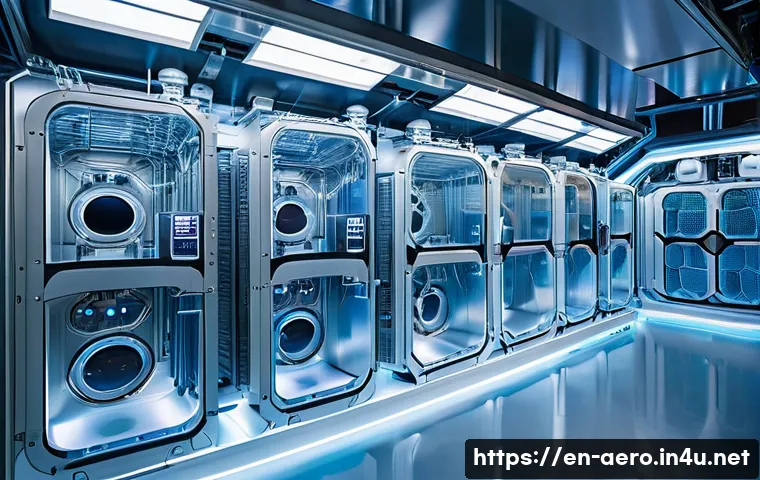
Hydrogen-powered aircraft are most likely to fit shorter, repeatable regional missions when airport fuel supply and ground handling are planned alongside the aircraft.
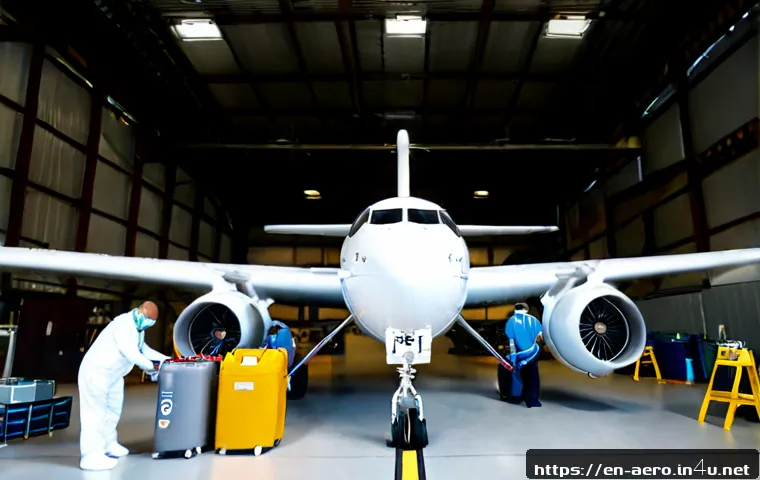
Fuel-cell concepts are generally better aligned with smaller aircraft and shorter routes, while hydrogen combustion is being considered for larger or longer-range concepts.
Neither approach should be selected on projected range alone. Operators need to compare fuel availability, storage requirements, certification status, route constraints, and total operating cost.
For airports, the investment case includes hydrogen delivery, specialized storage, refueling equipment, safety procedures, training, and regulatory approvals.
A fleet decision may be commercially sensible only after the aircraft and infrastructure plans can work as one operating system.
At a Glance
- Fuel-cell aircraft are generally most relevant to smaller aircraft and shorter regional routes under current power, weight, and storage constraints.
- Hydrogen combustion may suit larger or longer-range concepts, but it still requires specialized fuel storage and may produce nitrogen oxides.
- The first planning question is not aircraft range: it is whether the airport can secure, store, handle, and refuel hydrogen safely and reliably.
| Pathway | Best-Fit Route Profile | Infrastructure Need | Main Cost Drivers |
|---|---|---|---|
| Fuel-cell electric | Smaller aircraft and shorter regional missions | Hydrogen supply, storage, refueling, trained ground teams | Aircraft availability, hydrogen contracts, storage equipment, downtime |
| Hydrogen combustion | Potentially larger or longer-range concepts | Specialized liquid-hydrogen handling and safety systems | Aircraft program terms, fuel logistics, airport modifications |
| Sustainable aviation fuel | Existing aircraft and routes where compatible fuel is available | Fuel sourcing and airport supply arrangements | Fuel procurement and supply reliability |
| Battery-electric | Very short missions where power and weight limits can be managed | Airport electrical capacity and charging operations | Aircraft capability, charging infrastructure, turnaround planning |
What Hydrogen Aviation Can Realistically Do Today
The Short Answer for Regional and Airport-Based Operations
Hydrogen aviation is not one aircraft category. It includes fuel-cell electric propulsion, where hydrogen helps generate electricity, and hydrogen combustion, where an engine is designed to burn hydrogen. For practical fleet planning, fuel-cell propulsion is generally more relevant to smaller aircraft operating shorter regional routes.
That makes repeatable airport-to-airport missions more useful for early evaluation than broad network replacement plans. A route must still meet payload, weather, reserve, turnaround, and regulatory requirements. These variables should be verified for the specific aircraft program rather than assumed from early technical projections.
Why Aircraft Design and Ground Infrastructure Must Be Evaluated Together
Hydrogen has high energy per unit of mass, but it needs substantially more storage volume than conventional jet fuel. Liquid hydrogen also requires extremely low storage temperatures. This affects aircraft tank design as well as airport storage, delivery, refueling equipment, emergency response, and operating procedures.
An aircraft may appear suitable on paper, yet still be impractical if the departure or destination airport cannot support consistent hydrogen operations. Airport hydrogen infrastructure planning should therefore begin at the same time as fleet technology comparison.
What “Lower Emission” Means in Operational and Lifecycle Terms
Hydrogen can reduce carbon dioxide emissions at the aircraft compared with fossil jet fuel use. However, hydrogen combustion may still create nitrogen oxides and other atmospheric effects. The overall climate benefit also depends heavily on how hydrogen is produced, transported, and delivered to the airport.
A lower-emission claim should be treated as a supply-chain question, not only an aircraft question. Ask fuel suppliers for verified details on the hydrogen production pathway and logistics before using lifecycle assumptions in an investment case.
Compare the Main Low-Emission Aircraft Pathways
Fuel-Cell Electric Propulsion for Shorter Routes
Fuel-cell aircraft convert hydrogen into electricity for propulsion. Their strongest current planning case is generally smaller aircraft serving shorter regional routes. Operators should focus on predictable sectors, airport-based operations, and missions where fuel logistics can be organized around a limited number of locations.
The key constraints are power, weight, and hydrogen storage volume. A proposed route may look short enough, but actual suitability depends on payload, reserve requirements, weather conditions, turnaround expectations, and certification status.
Hydrogen Combustion for Larger or Longer-Range Concepts
Hydrogen combustion is a separate pathway from fuel-cell propulsion. It may be considered for larger or longer-range aircraft concepts, but it does not remove the need for specialized hydrogen storage and airport handling. Liquid-hydrogen requirements can make the airport project as important as the aircraft project.
Operators should also avoid equating lower carbon dioxide emissions with zero climate impact. Nitrogen oxides and other atmospheric effects remain relevant considerations for combustion-based designs.
Sustainable Aviation Fuel and Battery-Electric Alternatives
Sustainable aviation fuel may be a more direct option for operators evaluating lower-emission operations with existing aircraft, subject to compatible supply and commercial terms. It does not eliminate fuel procurement risk, but it can avoid the immediate need for hydrogen storage and refueling infrastructure.
Battery-electric aircraft may be evaluated for very short missions, where battery weight, available power, charging capacity, and operational turnaround can be managed. Airports comparing these pathways should assess electrical upgrades for battery-electric operations separately from hydrogen storage and safety requirements.
Comparison Table: Range, Infrastructure, Maturity, and Cost Drivers
No single pathway wins across every mission. Fuel-cell aircraft may suit selected short regional sectors, hydrogen combustion may fit a different future aircraft category, SAF may be relevant where conventional operations continue, and battery-electric designs may fit limited short-range use cases. The right comparison begins with route profile and airport readiness, not a broad technology preference.
Cost, Fuel Supply, and Airport Infrastructure Considerations
Aircraft Acquisition, Leasing, and Maintenance Cost Categories
A complete aircraft operating-cost evaluation should include acquisition or lease terms, maintenance arrangements, training, insurance, operational disruption, and the cost of maintaining new ground processes. Final aircraft prices, lease rates, maintenance costs, and program schedules vary by supplier and require direct verification.
Hydrogen Production, Delivery, Storage, and Refueling Variables
Hydrogen availability is a chain of dependencies: production, transportation, airport delivery, storage, refueling equipment, safety systems, and regulatory approval. Liquid hydrogen adds specialized low-temperature storage and handling requirements. A weak link in any part of this chain can limit aircraft utilization.
Why Local Fuel Contracts Can Matter More Than Headline Fuel Prices
Hydrogen pricing cannot be assessed only through a general market quote. The commercially relevant question is whether sufficient volume can be delivered to a particular airport under workable supply terms. Delivery logistics, storage needs, operational reliability, and contract structure may matter more than a headline fuel price.
When reviewing aviation fuel suppliers, compare available volume, delivery method, storage responsibilities, emergency support, and how supply interruptions would affect the operating schedule.
Planning for Training, Insurance, Safety Systems, and Operational Disruption
Airport adoption requires staff training, emergency procedures, equipment inspection, and approval processes. Insurance requirements and operational responsibilities should be reviewed before infrastructure is ordered. A phased deployment can help airports and operators test ground handling without assuming that a full network transition is immediately viable.
Due Diligence Steps and Common Planning Mistakes
Start with Route, Payload, Reserve, and Turnaround Requirements
Build the assessment around actual missions: airport pairs, payload expectations, weather exposure, reserve needs, turnaround times, and scheduling flexibility. This protects against selecting an aircraft concept based on a headline range figure that does not reflect real operating conditions.
Verify Hydrogen Availability Before Choosing an Aircraft Concept

The most common planning mistake is evaluating aircraft range before confirming hydrogen supply and ground-handling readiness. Confirm whether each airport can receive, store, and dispense hydrogen at the required operational level. If that cannot be verified, the fleet case remains incomplete.
Check Certification, Airport Approvals, and Emergency-Response Readiness
Commercial deployment timing, certification status, and airport approvals differ by aircraft program and location. Review the status of the specific aircraft, the applicable airport process, emergency-response planning, and staff readiness. Do not assume that an aircraft concept automatically has approval for a chosen route.
Avoid Treating Projected Specifications as Guaranteed Operating Performance
Projected range, capacity, pricing, and certification dates are not guaranteed operating outcomes. Use conservative planning assumptions until suppliers provide verified commercial and technical information for the intended route and airport environment.
Which Organizations May Benefit First
Regional Airlines Serving Repeatable Short-Haul Routes
Regional airlines may find the clearest early fit where routes are short, schedules are repeatable, and a small number of airports can support the necessary fuel and ground infrastructure. The value lies in controlled operations rather than a rapid network-wide replacement strategy.
Airports Building Phased Clean-Energy Infrastructure
Airports can assess hydrogen as part of a phased clean-energy plan. A practical approach is to compare airport demand, delivery options, storage requirements, emergency procedures, and approval pathways before committing to large infrastructure projects.
Cargo, Utility, and Specialist Operators with Predictable Missions
Cargo, utility, and specialist operators may have predictable missions that make infrastructure planning easier. Their decision still depends on payload needs, reserve requirements, dispatch reliability, and whether hydrogen supply can support scheduled operations.
Why Long-Haul Airline Replacement Is a Different Investment Case
Long-haul replacement is a different case because aircraft design, storage volume, route demands, and airport infrastructure become more complex. It should not be evaluated using the same assumptions as a short regional hydrogen operation.
Selection Criteria and Comparison Summary
Before selecting an aircraft, infrastructure vendor, fuel supplier, or aviation consulting partner, check these points:
- Route fit: Can the mission meet payload, reserve, weather, and turnaround requirements?
- Fuel certainty: Is hydrogen available in sufficient volume at both operational airports?
- Airport readiness: Are storage, refueling, safety systems, training, and approvals feasible?
- Commercial exposure: Have acquisition, leasing, fuel contracts, insurance, maintenance, and downtime been included?
- Program maturity: What is verified today, and what still depends on future certification or deployment?
For formal proposals, compare the technical scope, operational responsibilities, safety requirements, and commercial assumptions from aviation consultants, infrastructure vendors, fuel suppliers, and fleet-planning services. Official program details and contract conditions should be reviewed directly with the relevant provider.
Conclusion
Hydrogen-powered aircraft may become a practical option for selected regional and airport-based operations, especially where routes are short and infrastructure can be concentrated. The technology choice should follow a disciplined assessment of fuel supply, airport readiness, aircraft capability, and total operating cost. Fuel-cell, hydrogen-combustion, SAF, and battery-electric options solve different operational problems. The most useful decision is the one that matches the actual mission rather than the broadest environmental claim.
Useful Information to Keep in Mind
Hydrogen storage volume matters: high energy per mass does not remove the aircraft and airport space challenge.
Fuel contracts matter: local delivery and reliable volume can be more important than a general market price.
Lifecycle review matters: the production and delivery pathway affects the overall emissions outcome.
Important Considerations
Specific aircraft price, lease rate, operating cost, range, passenger capacity, certification date, airport fuel availability, and lifecycle emissions results require verification. A specific route must also be assessed for payload, weather, reserves, turnaround time, approvals, and local operating procedures. Projected specifications should not be treated as guaranteed commercial performance.
Frequently Asked Questions
Q1. Are hydrogen-powered aircraft safe for commercial passengers?
A1. Safety depends on aircraft certification, airport approval, fuel handling procedures, emergency-response readiness, staff training, and the specific operating environment. Hydrogen operations require specialized storage, handling, and safety processes, particularly when liquid hydrogen is involved.
Q2. How much could hydrogen aircraft operations cost compared with conventional regional flights?
A2. A precise comparison cannot be assumed because aircraft purchase or lease terms, maintenance, fuel contracts, delivery logistics, storage, insurance, training, and downtime vary by program and location. A total-cost review should include both aircraft and airport infrastructure costs.
Q3. Are hydrogen aircraft better than sustainable aviation fuel for airlines and airports?
A3. Neither option is automatically better. Hydrogen may suit certain future aircraft and controlled airport operations, while SAF may be relevant for compatible existing aircraft and routes. The best option depends on route profile, fuel supply, infrastructure needs, and commercial terms.
Q4. Which routes are most suitable for fuel-cell aircraft?
A4. Fuel-cell propulsion is generally most relevant to smaller aircraft and shorter regional routes. The route must still be verified for payload, weather, reserve requirements, turnaround time, airport hydrogen supply, and certification status.
Q5. What infrastructure does an airport need before supporting hydrogen refueling?
A5. An airport needs a workable fuel supply arrangement, appropriate storage, refueling equipment, safety systems, emergency procedures, trained staff, and regulatory approval. Liquid hydrogen requires specialized low-temperature storage and handling arrangements.