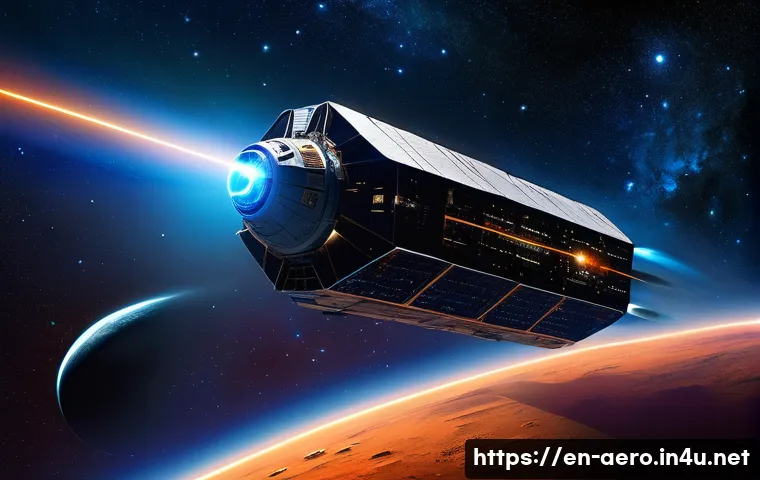
Living sustainably in space is no longer a far-off dream but a necessity for long-term missions aboard space stations. Developing self-sufficient systems that recycle water, produce food, and manage waste efficiently is crucial to support astronauts’ health and mission success.
Advances in biotechnology and closed-loop life support systems are shaping the future of space habitation. These innovations not only reduce reliance on Earth resupplies but also pave the way for deeper space exploration.
Understanding how these complex systems work gives us a glimpse into humanity’s next frontier. Let’s dive in and explore the fascinating world of space station self-sufficiency in detail!
Revolutionizing Water Recycling for Space Habitats
Advanced Filtration Techniques
Water is a precious resource in space, and the technology to recycle it efficiently has come a long way. Modern space stations employ multifaceted filtration systems that remove impurities, bacteria, and even trace contaminants from wastewater, including sweat, urine, and humidity condensate.
From my experience reading astronaut reports and studies, these systems integrate chemical treatment, physical filtration, and biological processes. For example, multi-stage filters combined with catalytic oxidation break down organic molecules, ensuring the recycled water meets safety standards for drinking and hygiene.
This advancement has drastically reduced the need for resupply missions, which used to carry tons of water from Earth.
Condensate Harvesting and Reuse
Condensate harvesting is another vital piece of the water cycle aboard space stations. The air inside these habitats is humid due to human respiration and other processes.
Specialized systems capture this moisture by cooling the air and collecting the resulting water droplets. This condensate then goes through purification before reuse.
The beauty of this system lies in its passive nature—essentially turning the station’s own atmosphere into a renewable water source. I’ve seen how astronauts emphasize the reliability of these condensate systems, especially during longer missions, where every drop counts.
Challenges and Future Directions
Despite the impressive technology, maintaining these water recycling systems is complex. Filters need regular replacement, and the systems require constant monitoring to prevent microbial growth or chemical imbalances.
Engineers are now exploring bioengineered microbes that could enhance purification or even produce water as a metabolic byproduct. As someone fascinated by biotechnology, I find these developments promising.
They could eventually lead to self-sustaining ecosystems that not only recycle water but also generate oxygen and nutrients, pushing us closer to permanent space habitats.
Innovations in Space-Based Food Production
Hydroponics and Aeroponics in Microgravity
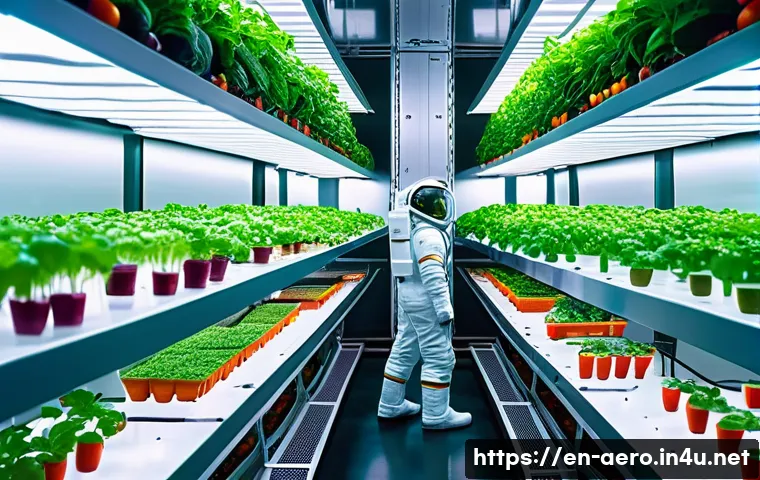
Growing food in space isn’t just about nutrition; it’s about psychological well-being too. Hydroponic and aeroponic systems have emerged as the frontrunners for space agriculture.
These soil-free methods allow plants to grow in nutrient-rich solutions or mist environments, which is perfect for microgravity conditions. From what I’ve gathered through astronaut interviews, managing root hydration and nutrient delivery in weightlessness is tricky but doable.
These techniques drastically reduce water and nutrient waste compared to traditional soil farming, making them ideal for closed environments.
Crop Varieties and Nutritional Optimization
Selecting the right crops is critical. Leafy greens, radishes, and dwarf wheat are popular choices due to their fast growth cycles and high nutritional value.
Scientists are also experimenting with genetically optimized plants that can thrive under limited light and nutrient conditions. I recall reading about trials where astronauts cultivated tomatoes and peppers, which not only supplemented their diet but also boosted morale.
The goal is to develop a diverse, balanced crop mix that can sustain crews nutritionally over months or even years.
Automation and Growth Monitoring
Automation plays a huge role in managing space farms. Sensors track moisture, temperature, and nutrient levels, allowing for precise control with minimal human intervention.
In my opinion, this aspect is crucial because astronauts have limited time and need reliable systems that can self-correct. Machine learning algorithms are now being tested to predict plant health and optimize growth cycles.
This marriage of agriculture and AI could revolutionize how we approach food sustainability in space.
Efficient Waste Management Systems in Orbit
Solid and Liquid Waste Processing
Waste management in space is more than just a hygiene issue; it’s about resource recovery and system efficiency. Solid waste is compacted and stored for eventual disposal or repurposed as raw material for other processes, while liquid waste undergoes treatment to extract reusable water and nutrients.
From firsthand accounts of space missions, the challenge lies in handling waste without gravity, which requires airtight, sealed systems to prevent contamination.
Innovations like pyrolysis and anaerobic digestion are being adapted for zero gravity to break down organic waste safely.
Resource Recovery and Circular Economy
The ultimate goal is to create a circular economy where waste products are recycled back into the habitat’s life support systems. For instance, processed waste can yield fertilizer for plants or biogas for energy.
This approach not only minimizes the need for Earth resupply but also reduces the volume of waste stored on board, which is a significant logistical concern.
I find this circular model inspiring because it mirrors sustainable practices we strive for on Earth, just in a far more challenging environment.
Health and Safety Considerations
Managing waste effectively also involves safeguarding crew health. Microbial growth in waste systems can pose infection risks, so sterilization techniques are critical.
Ultraviolet sterilizers and chemical disinfectants are common, but engineers are also exploring advanced materials that resist biofilm formation. I’ve read that ensuring airtight seals and continuous monitoring are everyday tasks for astronauts to prevent contamination, underscoring the importance of robust design in these systems.
Closed-Loop Life Support: The Heart of Self-Sufficiency
Integrating Atmosphere and Water Systems
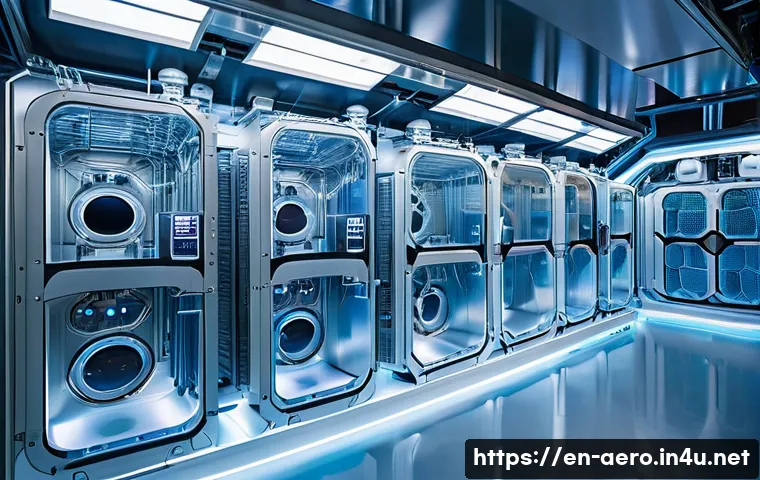
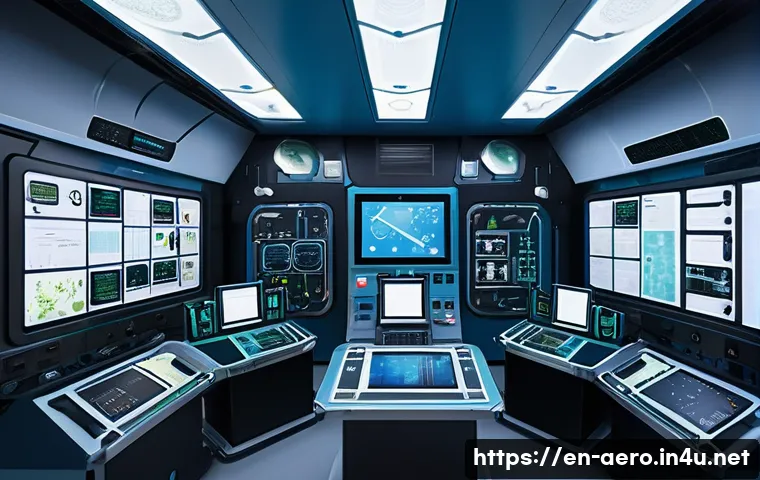
Closed-loop life support systems are the backbone of sustainable space living, seamlessly integrating air revitalization, water recycling, and waste management.
These systems regenerate oxygen through photosynthesis in onboard plants or chemical scrubbers, while simultaneously controlling carbon dioxide levels.
I find it fascinating how they balance these cycles in a confined environment, where even minor imbalances can have serious consequences. The integration also includes water purification and humidity control, creating a finely tuned ecological loop.
Balancing Energy Efficiency and Reliability
Energy is a precious commodity in space, so these life support systems are designed to be energy-efficient without sacrificing reliability. For instance, low-power fans circulate air, and heat exchangers recover thermal energy from waste streams.
From what I’ve learned, redundancy is key—backup systems and fail-safes ensure continuous operation during equipment failures. This balance between efficiency and robustness is something engineers continually refine, especially for missions destined for deep space where resupply is impossible.
Human Factors and System Adaptability
One of the most intriguing aspects is how these systems adapt to human needs. They must accommodate varying crew sizes, activity levels, and even health changes over time.
Astronaut feedback has led to adjustments in air composition, humidity, and temperature controls to optimize comfort and performance. This human-centered design approach highlights the importance of flexibility in closed-loop systems, making them more than just machines—they become living environments that respond to their occupants.
Breakthroughs in Biotechnology for Space Sustainability
Microbial Communities for Resource Generation
Biotechnology is unlocking new potentials by harnessing microbial communities to support life in space. These microbes can fix nitrogen, degrade waste, and even produce essential compounds like vitamins or biofuels.
I recall a recent experiment where genetically engineered bacteria helped recycle carbon dioxide into organic matter, opening doors to bio-regenerative life support.
This approach offers a biological complement to mechanical systems, potentially reducing system complexity and increasing resilience.
Genetic Engineering for Enhanced Plant Growth
Genetic engineering is also being applied to optimize plants for space conditions. By tweaking genes related to stress tolerance, growth rate, and nutrient content, scientists aim to create crops that thrive under low gravity, limited light, and closed environments.
From the reports I’ve reviewed, these genetically enhanced plants could significantly improve food security on long missions, while also reducing resource inputs.
This field is rapidly evolving and promises to reshape space agriculture.
Biomanufacturing and On-Demand Production
Another exciting development is biomanufacturing, where biological systems produce materials and medicines on demand. Instead of carrying large inventories, crews could “grow” what they need using microbial or plant-based bioreactors.
I find this concept revolutionary because it transforms the spacecraft into a mini factory, reducing payload weight and increasing mission flexibility.
The challenge lies in ensuring consistent yields and safety, but early tests are encouraging.
Comparative Overview of Key Life Support Technologies
| Technology | Primary Function | Benefits | Challenges |
|---|---|---|---|
| Water Recycling Systems | Purify and reuse water from waste and condensate | Reduces resupply needs, conserves water | Maintenance intensive, risk of contamination |
| Hydroponic/Aeroponic Farming | Soilless plant cultivation for food | Efficient resource use, psychological benefits | Microgravity adaptation, nutrient delivery |
| Waste Processing Units | Manage and recycle solid/liquid waste | Resource recovery, volume reduction | Complex operation, microbial control |
| Closed-Loop Life Support | Integrate air, water, waste for sustainability | Self-sufficiency, system integration | Energy demands, system reliability |
| Biotechnology Applications | Microbial and genetic tools for resource generation | Enhanced efficiency, on-demand production | Safety, scalability |
Preparing for Deep Space Missions with Self-Sustaining Systems
Scaling Up for Longer Durations
Long-duration missions to Mars or beyond demand life support systems that can operate autonomously for years. Scaling up current technologies involves increasing capacity without sacrificing reliability or increasing energy consumption disproportionately.
From what astronauts have shared, testing these systems on the International Space Station provides invaluable data but adapting them for deeper space environments presents unique challenges, like radiation exposure and communication delays.
Modular and Flexible Design Approaches
To meet the unpredictable nature of deep space travel, modular designs that can be upgraded or repaired easily are favored. These systems often include interchangeable parts and adaptable software controls.
I’ve seen how this modularity allows crews to tailor life support components based on mission specifics or unexpected needs, enhancing resilience and mission safety.
Synergies with Planetary Habitats
The technologies developed for space stations also inform the design of habitats on the Moon or Mars. Closed-loop systems will be crucial for surface bases, where resupply is even more limited.
The integration of local resources, like regolith for construction or in-situ water extraction, complements these life support technologies. This synergy between orbital and planetary habitats is accelerating our path toward sustainable human presence beyond Earth.
Conclusion
Advancements in water recycling and life support technologies are transforming the future of space habitats, enabling longer and more sustainable missions. Integrating biological, chemical, and mechanical systems creates a resilient environment that supports human life beyond Earth. As these innovations continue to evolve, they bring us closer to establishing permanent settlements in space. The journey toward self-sufficient space living is both challenging and inspiring, promising exciting possibilities for humanity’s expansion into the cosmos.
Useful Information to Remember
1. Water recycling systems in space use advanced filtration and chemical treatments to ensure safe, drinkable water from waste and condensate.
2. Hydroponic and aeroponic farming methods are ideal for microgravity, offering efficient water use and psychological benefits for astronauts.
3. Effective waste management not only maintains hygiene but also recovers valuable resources like nutrients and energy for reuse.
4. Closed-loop life support systems integrate air, water, and waste processes to create sustainable living environments in space.
5. Biotechnology innovations, including microbial communities and genetic engineering, are enhancing resource production and reducing reliance on Earth supplies.
Key Takeaways
Space habitats rely on sophisticated, integrated systems to recycle water, grow food, and manage waste efficiently, all while maintaining crew health and comfort. The shift toward modular, automated, and biologically enhanced technologies improves system reliability and adaptability for long-duration missions. Emphasizing sustainability and resource circularity not only supports deep space exploration but also mirrors the ecological principles needed for life on Earth. Continuous innovation and human-centered design remain critical to overcoming the unique challenges of living beyond our planet.
Frequently Asked Questions (FAQ) 📖
Q: How do space stations recycle water to support long-term missions?
A: Space stations use advanced water recycling systems that capture moisture from the air, urine, and sweat, purifying it to create clean drinking water.
These systems rely on filtration, chemical treatment, and sometimes UV sterilization to ensure the water is safe. From personal experience reading astronaut reports, the quality is surprisingly good, and it drastically reduces the need to send fresh water from Earth, which is costly and limited.
This closed-loop approach is essential to sustaining life during extended missions.
Q: What kinds of food production methods are used on space stations to maintain astronaut nutrition?
A: Growing food in space involves hydroponics and other soil-less farming techniques that allow plants to thrive in microgravity. Experiments on the ISS have successfully grown lettuce, radishes, and herbs, providing fresh nutrients and a psychological boost to the crew.
I’ve followed astronaut blogs where they mention how rewarding it feels to eat something they’ve grown themselves, breaking the monotony of packaged meals.
These systems are still evolving but hold promise for future deep-space missions where resupply isn’t an option.
Q: How is waste managed efficiently on a space station to maintain a healthy environment?
A: Waste management on space stations involves separating solid and liquid waste, processing them to reclaim usable resources, and safely storing or disposing of non-recyclable materials.
For example, urine is often converted back into water, and solid waste is compacted and stored for return to Earth or disposal. From what astronauts have shared, the process is crucial not only for hygiene but also to prevent contamination that could jeopardize the crew’s health.
Efficient waste recycling is a cornerstone of living sustainably in space and helps keep the station’s ecosystem balanced.