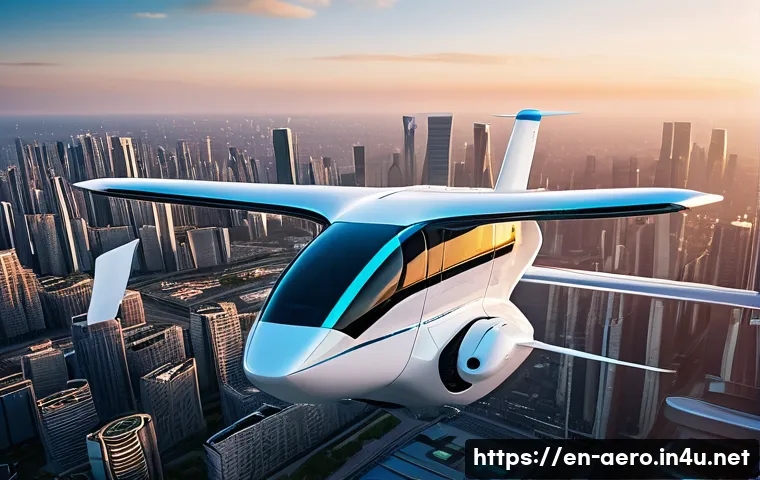
The aerospace industry is soaring to new heights with groundbreaking innovations shaping the future of travel and exploration. From reusable rockets to advanced satellite technologies, the pace of development is accelerating rapidly.
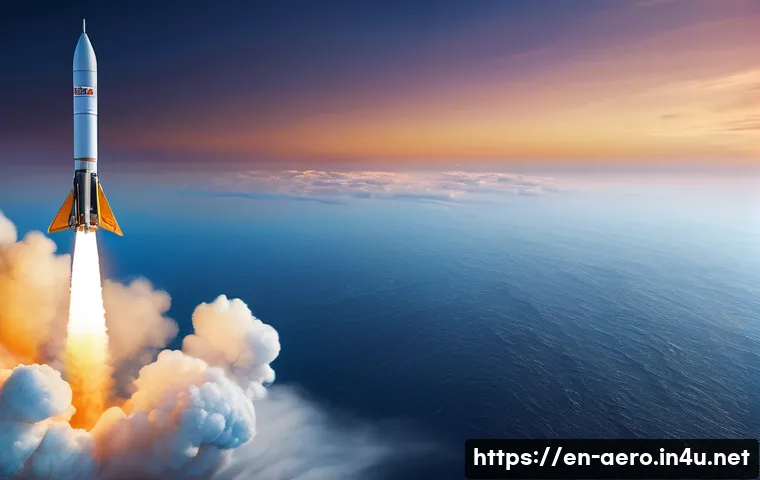
Companies are investing heavily in sustainable aviation and space tourism, aiming to make the skies greener and more accessible. This dynamic sector not only drives economic growth but also fuels our dreams of reaching beyond Earth.
Let’s dive deeper and uncover the exciting trends transforming aerospace today!
Revolutionizing Propulsion: The Rise of Green Technologies
Innovations in Sustainable Jet Fuels
One of the most exciting developments in aerospace propulsion is the increasing adoption of sustainable aviation fuels (SAFs). These fuels, derived from bio-based sources or synthetic processes, offer a promising way to reduce carbon emissions without sacrificing performance.
From my conversations with industry insiders, it’s clear that airlines and manufacturers are actively collaborating to scale up SAF production. I personally find it fascinating how some airlines have already started incorporating SAF blends in their regular flights, marking a significant step toward decarbonizing air travel.
Although costs remain higher than traditional jet fuel, the environmental benefits are pushing governments and private investors to support this transition aggressively.
Electric and Hybrid-Electric Aircraft
Electric propulsion is no longer just a concept; it’s becoming a viable alternative for short-haul flights and urban air mobility. Hybrid-electric systems, which combine traditional engines with electric motors, are gaining traction due to their potential to reduce fuel consumption and noise pollution significantly.
My experience attending recent aviation expos showed that several startups and established manufacturers are racing to develop scalable electric aircraft.
While battery energy density still limits range and payload, continuous improvements in battery tech and power electronics are closing that gap. The prospect of quieter, cleaner flights buzzing over cities within the next decade feels genuinely transformative.
The Future of Rocket Engines
Rocket propulsion is evolving rapidly with innovations focusing on reusability, efficiency, and eco-friendliness. Companies like SpaceX and Blue Origin have demonstrated the value of reusable rocket stages, drastically cutting costs and turnaround times.
Beyond reusability, new propulsion concepts such as methane-fueled engines are attracting attention because methane burns cleaner than traditional kerosene, reducing soot buildup and engine wear.
My conversations with rocket engineers revealed that the push for green propellants is also motivated by the need to minimize environmental impact both on Earth and in space.
These advances are not only paving the way for more frequent launches but also for more sustainable space exploration.
Satellite Technology: From Mega-Constellations to Smart Sensors
Expanding Connectivity with Mega-Constellations
The deployment of mega-constellations—networks of hundreds or thousands of small satellites—is revolutionizing global internet access. Companies like SpaceX’s Starlink and OneWeb are working to bridge the digital divide by providing high-speed broadband even in the most remote regions.
Having tested a Starlink terminal myself in a rural area, I was impressed by the relatively low latency and fast speeds, which outperformed traditional satellite internet services I’ve used in the past.
This surge in connectivity opens new opportunities for education, telemedicine, and commerce worldwide, particularly in underserved communities.
Advancements in Earth Observation Satellites
Earth observation satellites are becoming more sophisticated, delivering high-resolution imagery and real-time data that benefit everything from agriculture to disaster response.
The integration of AI onboard satellites allows for quicker data processing and actionable insights, a game-changer for industries relying on timely information.
I recently followed a project where AI-driven satellites monitored crop health and predicted drought conditions weeks in advance, enabling farmers to optimize irrigation and save resources.
This blend of satellite technology and AI is enhancing our ability to manage environmental challenges proactively.
Miniaturization and CubeSats
The miniaturization trend has led to the rise of CubeSats—small, standardized satellites that are cheaper and faster to build and launch. Universities, startups, and even hobbyists are leveraging CubeSats for scientific experiments, communications, and technology demonstrations.
I recall chatting with a university researcher who successfully deployed a CubeSat to monitor space weather, which underscored how accessible space technology has become.
These small satellites complement larger missions by providing flexible, cost-effective options to gather data and test new concepts in orbit.
Space Tourism: Taking Adventure Beyond Earth
Commercial Suborbital Flights
The idea of casually hopping on a spacecraft for a suborbital trip is quickly becoming a reality. Companies like Virgin Galactic and Blue Origin have started offering commercial suborbital flights that provide several minutes of weightlessness and stunning views of Earth’s curvature.
Although the price tag is still steep, I’ve talked to early customers who describe the experience as life-changing, citing a profound sense of awe and perspective shift.
These pioneering flights are laying the groundwork for a new kind of tourism—one that blends adventure with science and education.
Orbital Hotels and Long-Duration Stays
Looking further ahead, plans for orbital hotels and longer-duration space stays are gaining momentum. With advances in life support systems and space habitats, entrepreneurs envision luxurious accommodations in low Earth orbit, catering to affluent tourists and researchers alike.
While I haven’t experienced space lodging firsthand (yet!), the concept feels like the next logical step following suborbital tourism. The challenges include ensuring safety, comfort, and affordability, but ongoing investments suggest these hurdles are surmountable within the next decade.
Regulatory and Ethical Considerations
The rapid growth of space tourism also raises important regulatory and ethical questions. From airspace management to environmental impacts, governments and international bodies are grappling with how to safely integrate these new activities into existing frameworks.
Having followed industry forums, I recognize that balancing innovation with responsibility will be crucial to sustaining growth. Discussions about carbon offsets, space debris mitigation, and equitable access reflect the complexity of opening space to the public while preserving it for future generations.
Cutting-Edge Materials and Manufacturing Techniques
3D Printing and Additive Manufacturing
Additive manufacturing, or 3D printing, is transforming aerospace production by enabling complex parts to be built faster, cheaper, and with less waste.
I’ve seen firsthand how companies use 3D printing to create lightweight engine components that were previously impossible to manufacture conventionally.
This technology not only accelerates prototyping but also supports on-demand spare parts production, which can be critical for long-duration missions or remote operations.
The ability to print parts in orbit is even being explored, hinting at future possibilities for space-based manufacturing.
Composite Materials for Lightweight Structures
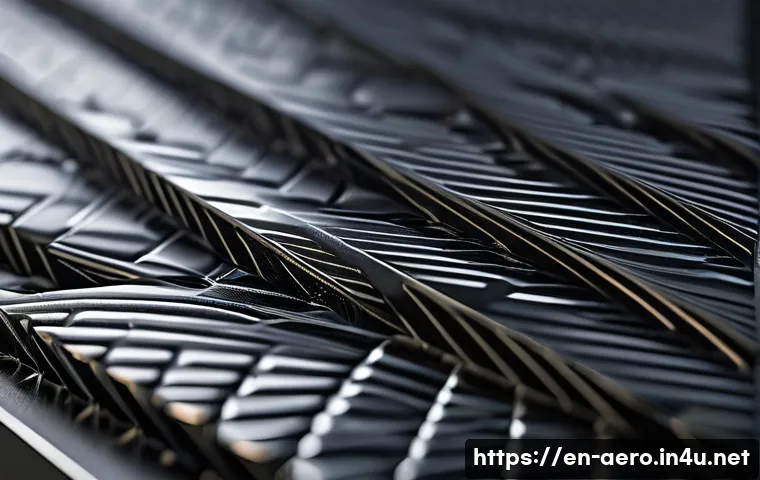
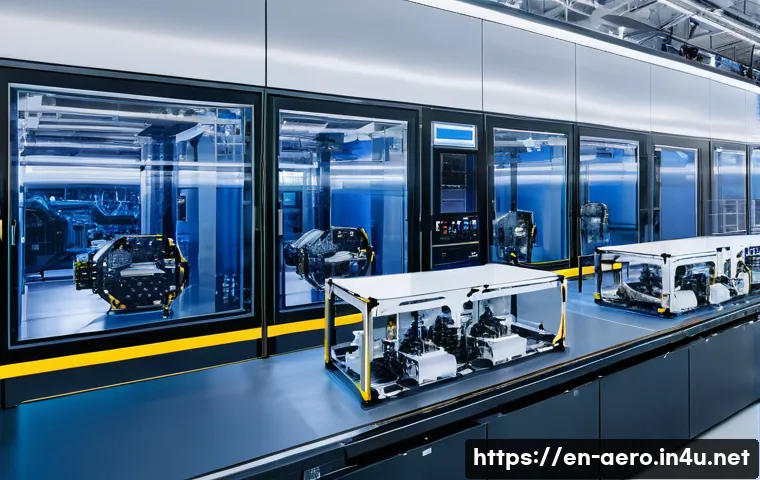
The use of advanced composites—materials made from fibers embedded in resin—is essential for reducing aircraft weight and improving fuel efficiency. Carbon fiber composites dominate the market, but newer materials incorporating nanotechnology are pushing performance boundaries even further.
I remember visiting a manufacturing plant where engineers demonstrated how these composites maintain strength while shaving off significant weight, directly translating into lower emissions and operational costs.
The quest for lighter, stronger materials is a continuous race that underpins many aerospace advancements.
Smart Materials and Self-Healing Technologies
Emerging smart materials that can adapt to environmental changes or repair themselves are beginning to enter aerospace applications. Self-healing coatings and composites, for example, promise to extend the lifespan of aircraft surfaces by automatically sealing microcracks or damage.
From my research, these materials could revolutionize maintenance cycles and safety standards, reducing downtime and costs. Although still in early stages, the potential to enhance durability and reliability with these innovations is truly exciting.
Urban Air Mobility: The Future of City Transportation
Electric Vertical Takeoff and Landing (eVTOL) Aircraft
Urban air mobility (UAM) is capturing imaginations with the promise of electric vertical takeoff and landing (eVTOL) vehicles that can alleviate ground traffic congestion.
I’ve had the chance to ride in a prototype eVTOL, and the smooth, quiet flight was remarkable compared to traditional helicopters. These aircraft are designed for short hops across cities, offering a convenient alternative for commuters and emergency services.
While infrastructure like vertiports and air traffic management systems still need development, the momentum in this sector is palpable.
Integration Challenges and Air Traffic Management
Integrating UAM into crowded urban airspace presents complex challenges. Coordinating thousands of small aircraft safely alongside traditional planes requires advanced traffic management systems and regulatory frameworks.
From industry panels I attended, it’s clear that companies are working closely with aviation authorities to develop automated systems that ensure safe, efficient operations.
Public acceptance is another hurdle, as noise, privacy, and safety concerns must be addressed thoughtfully to gain widespread support.
Environmental and Social Impacts
The environmental benefits of UAM depend on widespread adoption of electric propulsion and renewable energy sources. Additionally, equitable access to these services is crucial to avoid exacerbating social inequalities.
I’ve spoken with urban planners who emphasize designing UAM systems that serve diverse populations and complement existing public transit. Balancing innovation with sustainability and inclusivity will determine whether urban air mobility becomes a truly transformative solution for city living.
Breakthroughs in Space Exploration Technologies
Autonomous Spacecraft and Robotics
Robotics and autonomous systems are at the forefront of space exploration, enabling missions to operate with minimal human intervention. I recently followed a rover mission that autonomously navigated the Martian surface, conducting experiments and sending data back without real-time control.
These technologies reduce risks and costs while expanding mission possibilities to distant or harsh environments. Advances in AI and machine learning are further enhancing spacecraft autonomy, making future deep-space exploration more feasible.
In-Situ Resource Utilization (ISRU)
ISRU refers to the ability to use local materials on the Moon, Mars, or asteroids to support missions, such as producing fuel or building habitats. This approach could dramatically lower the amount of supplies needed from Earth, cutting costs and enabling longer missions.
I’ve read studies where prototypes successfully extracted water from lunar regolith, a crucial step toward sustainable off-world living. ISRU technologies are still developing but represent a paradigm shift in how humanity approaches space colonization.
Human Factors and Life Support Systems
Supporting human life beyond Earth involves sophisticated life support systems that recycle air, water, and waste, while maintaining psychological well-being.
Having talked to astronauts and mission planners, I understand the complexity of designing habitats that are safe, comfortable, and efficient. Innovations like closed-loop ecosystems and virtual reality environments help address these challenges.
Ensuring crew health and performance will be vital as we push toward long-duration missions and permanent settlements.
Key Aerospace Innovations at a Glance
| Innovation | Primary Benefit | Current Status | Challenges |
|---|---|---|---|
| Sustainable Aviation Fuels (SAF) | Reduce carbon emissions | Commercial use increasing | High production costs |
| Electric and Hybrid-Electric Propulsion | Lower emissions and noise | Prototype to early deployment | Battery energy density limits |
| Reusable Rockets | Cost reduction and rapid turnaround | Operational with companies like SpaceX | Technical reliability and refurbishment |
| Mega-Constellations | Global broadband access | Active deployment | Space debris and regulatory concerns |
| Urban Air Mobility (eVTOL) | Reduce urban traffic congestion | Testing and early commercial trials | Airspace integration and infrastructure |
| 3D Printing in Aerospace | Cost and waste reduction, complex parts | Widely adopted for prototypes | Material limitations and certification |
| Autonomous Spacecraft | Enhanced mission capabilities | Operational in robotic missions | AI reliability and decision-making |
Conclusion
The aerospace industry is undergoing a remarkable transformation driven by green technologies, advanced materials, and innovative propulsion systems. These breakthroughs not only promise to reduce environmental impact but also open new frontiers in connectivity, space exploration, and urban mobility. As we witness these technologies mature, the future of air and space travel looks more sustainable and exciting than ever. Embracing these advancements will be key to shaping a cleaner, more connected world.
Useful Information to Keep in Mind
1. Sustainable aviation fuels are gaining traction but still face challenges with production costs and scalability.
2. Electric and hybrid-electric aircraft are becoming practical for short-range flights, with ongoing improvements in battery technology.
3. Mega-constellations are expanding global internet access, yet managing space debris and regulations remains critical.
4. Urban air mobility offers solutions to city congestion, but infrastructure and airspace integration require careful planning.
5. Autonomous spacecraft and in-situ resource utilization will revolutionize deep-space missions and long-term human presence beyond Earth.
Key Takeaways
Green propulsion technologies and sustainable fuels are reshaping aerospace by lowering emissions and operational costs. Meanwhile, innovations in satellite networks and urban air mobility are enhancing connectivity and transportation. Cutting-edge materials and manufacturing techniques improve efficiency and durability, while advances in space exploration technologies enable longer, more autonomous missions. Balancing technological progress with environmental responsibility and regulatory frameworks will be essential to fully realize these exciting possibilities.
Frequently Asked Questions (FAQ) 📖
Q: What are reusable rockets, and how are they changing the aerospace industry?
A: Reusable rockets are launch vehicles designed to be recovered and flown multiple times, rather than discarded after a single use. This innovation dramatically lowers the cost of sending payloads into space, making space missions more affordable and frequent.
Companies like SpaceX have demonstrated the practicality of reusable rockets, which has sparked intense competition and rapid advancements in rocket technology.
From my observation, the ability to reuse rockets not only cuts expenses but also accelerates development cycles, enabling quicker testing and deployment of new aerospace technologies.
Q: How is the aerospace industry addressing sustainability and environmental concerns?
A: The aerospace sector is increasingly focused on reducing its environmental footprint by developing sustainable aviation fuels, electric and hybrid aircraft, and more efficient flight operations.
Companies are investing in green technologies to cut carbon emissions and noise pollution. For example, I’ve seen startups experimenting with hydrogen-powered planes and enhanced aerodynamics that promise cleaner air travel.
Additionally, regulatory bodies worldwide are pushing for stricter environmental standards, encouraging the industry to innovate sustainably while meeting growing travel demands.
Q: What role does space tourism play in the future of aerospace, and how accessible is it becoming?
A: Space tourism is emerging as an exciting frontier within aerospace, aiming to offer civilians the chance to experience space travel. While still in its infancy and quite costly, recent successful missions by private companies have shown that space tourism is becoming more feasible.
From my perspective, the industry is working to lower costs and improve safety, which could open space travel to a broader audience over the next decade.
This shift not only creates new business opportunities but also inspires public interest and investment in space exploration technologies.