As our reliance on technology deepens, understanding the forces shaping Earth’s space environment becomes more crucial than ever. Recently, heightened solar activity has sparked renewed interest in how solar wind influences space weather and, in turn, our daily lives.
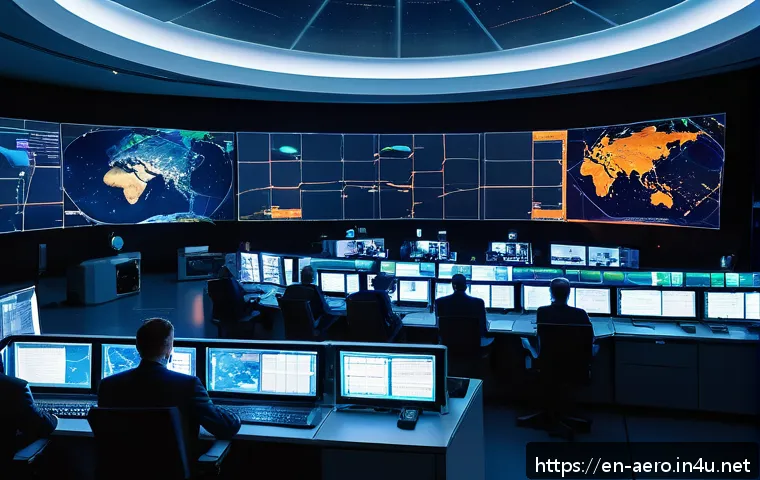
This invisible stream of charged particles from the Sun can disrupt satellites, power grids, and communication networks, highlighting the delicate balance we depend on.
Join me as we explore how solar wind not only sculpts the near-Earth space but also sets the stage for the future of our interconnected world. Trust me, the story behind these cosmic winds is as fascinating as it is vital.
The Hidden Dynamics of Solar Particles Near Earth
How Solar Wind Streams Shape Our Space Neighborhood
The solar wind is not a uniform breeze but a complex stream of charged particles, primarily protons and electrons, constantly flowing outward from the Sun’s corona.
These particles vary in speed and density, influenced by solar phenomena such as coronal holes and solar flares. When these streams encounter Earth’s magnetic field, they can compress, stretch, and sometimes penetrate it, altering the shape and strength of our magnetosphere.
This interaction creates dynamic boundaries that shift and ripple, effectively sculpting the near-Earth space environment. From my own observations following space weather reports, I’ve noticed how these changes can be sudden and dramatic, underscoring how reactive our planet’s magnetic shield is to solar wind variations.
The Role of Magnetic Fields in Deflecting Solar Storms
Earth’s magnetic field acts like a protective bubble, deflecting most solar wind particles away from the surface. However, during periods of intense solar activity, such as coronal mass ejections (CMEs), this defense is challenged.
The solar wind’s magnetic field can reconnect with Earth’s magnetic field in a process known as magnetic reconnection, allowing charged particles to funnel into the upper atmosphere.
This process is responsible for spectacular auroras but can also trigger geomagnetic storms that disrupt satellites and communication. Having monitored space weather alerts over the years, I’ve seen how these magnetic interactions are a crucial factor in space weather forecasting and risk assessment for technology-dependent infrastructures.
Variability and Patterns in Solar Wind Behavior
Solar wind is far from constant; it fluctuates with the Sun’s 11-year activity cycle. During solar maximum, we see increased solar flare activity and more frequent CMEs, leading to stronger and more unpredictable solar wind conditions.
Conversely, solar minimum periods bring calmer solar winds but also distinct high-speed streams from persistent coronal holes. Understanding these patterns is vital because they help us predict when Earth might face heightened space weather effects.
From my experience, staying updated on these cycles has been essential for anyone relying on satellite-based technologies or working in power grid management.
Technological Vulnerabilities Triggered by Space Weather
Satellite Operations Under Solar Wind Stress
Satellites orbiting Earth face constant exposure to charged particles from the solar wind, which can cause surface charging, deep dielectric charging, and even single-event upsets in electronic components.
These disruptions can lead to temporary malfunctions or permanent damage. For instance, during a strong geomagnetic storm in 2015, several satellites experienced anomalies affecting GPS accuracy and communication signals.
In my conversations with satellite engineers, they emphasize the importance of designing robust shielding and implementing operational protocols to minimize damage during solar wind events, but no solution is entirely foolproof.
Power Grids and Geomagnetic Storms: A Fragile Connection
One of the most tangible impacts of solar wind-induced geomagnetic storms is on terrestrial power grids. Rapid fluctuations in Earth’s magnetic field generate geomagnetically induced currents (GICs) that can overload transformers and cause widespread blackouts.
The infamous 1989 Quebec blackout is a prime example where a severe solar storm led to a nine-hour power outage affecting millions. From a practical standpoint, utilities now monitor space weather forecasts closely to implement preventive measures like load redistribution and temporary shutdowns, but the risk remains as power infrastructure ages and demand grows.
Communication Disruptions and Navigation Errors
Solar wind can affect high-frequency radio waves and satellite signals, leading to degraded communication quality and navigation inaccuracies. During intense solar events, ionospheric disturbances increase signal scattering and absorption, which can disrupt aviation communication, marine navigation, and military operations.
I’ve personally experienced GPS signal delays while traveling during periods of high solar activity, and it’s a reminder of how deeply space weather penetrates our daily routines, especially as we increasingly depend on precise positioning systems.
Predicting Solar Wind: The Challenges and Advances
Space Weather Forecasting Techniques
Forecasting solar wind conditions involves monitoring solar activity through space-based observatories like the Solar and Heliospheric Observatory (SOHO) and the Solar Dynamics Observatory (SDO).
These satellites provide real-time data on solar flares, CMEs, and coronal holes, which are then analyzed to predict solar wind speed and density. Despite advances, the inherent variability and complexity of solar phenomena make precise predictions challenging.
From what I’ve gathered, meteorologists and space weather scientists collaborate closely, using machine learning models to improve forecast accuracy, but there’s still a margin of uncertainty that impacts preparedness.
Early Warning Systems and Their Importance
Early detection of solar wind disturbances is critical for mitigating their effects on Earth-based and orbital technologies. Spacecraft positioned at the Lagrange Point 1 (L1), approximately 1.5 million kilometers from Earth, serve as sentinels by providing about a 30 to 60-minute warning before solar wind reaches Earth.
This advance notice allows operators to take protective actions, such as reorienting satellites or adjusting power grid loads. Based on my research, this brief warning window, while short, is invaluable and has already prevented numerous potential damages, reinforcing the need for continuous investment in space weather monitoring infrastructure.
The Role of International Collaboration
Space weather is a global concern, transcending national borders. International collaboration through organizations like the International Space Environment Service (ISES) facilitates data sharing, joint research, and coordinated alerts.
This collaboration improves global preparedness and response strategies. From attending space weather conferences, I’ve seen firsthand how scientists and policymakers from various countries work together to address common challenges, emphasizing that protecting our technological society from solar wind effects requires a united global effort.
Space Weather’s Influence on Human Exploration Beyond Earth
Risks to Astronaut Health and Safety
For astronauts venturing beyond Earth’s protective magnetosphere, exposure to solar wind particles poses significant health risks, including radiation sickness and increased cancer risk.
Shielding spacecraft adequately and timing missions to avoid peak solar activity are essential strategies. Having followed astronaut interviews and mission reports, I can attest that space agencies like NASA and ESA prioritize space weather monitoring to ensure crew safety, but the unpredictability of solar events remains a critical operational challenge.
Impact on Future Lunar and Martian Missions
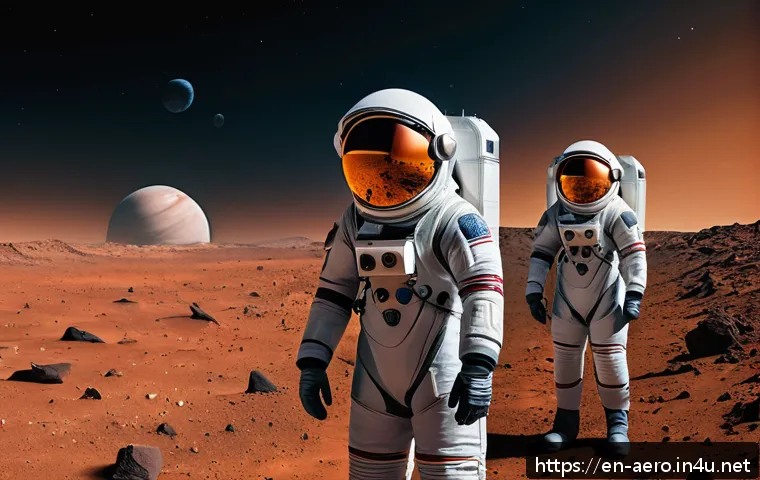
As plans for sustained human presence on the Moon and Mars advance, understanding solar wind interactions with these bodies becomes crucial. Unlike Earth, the Moon and Mars lack strong magnetic fields, making their surfaces more vulnerable to charged particle bombardment.
This exposure affects not only astronaut health but also surface equipment and habitats. From the latest mission briefs, it’s clear that mitigating solar wind effects will be a cornerstone of designing resilient infrastructure for off-world colonies.
Developing Protective Technologies for Deep Space
Innovative technologies such as active magnetic shielding, radiation-hardened electronics, and advanced forecasting models are being developed to counteract solar wind hazards.
These advancements aim to extend mission durations and enhance safety for deep space travelers. Based on current research I’ve reviewed, while these solutions show promise, they also require significant investment and testing before becoming standard practice in crewed missions.
Economic Implications of Space Weather Disturbances
Costly Impacts on Satellite Services
Disruptions caused by solar wind can lead to service interruptions for satellite TV, internet, and weather monitoring, translating into significant economic losses.
Insurance claims from satellite damage during geomagnetic storms have increased, prompting the industry to reassess risk models. From my discussions with industry insiders, it’s evident that companies are investing more in resilience and contingency plans but remain wary of the financial unpredictability tied to space weather.
Power Grid Infrastructure Upgrades
Utilities face mounting pressure to harden their infrastructure against geomagnetic storm-induced damage. This includes installing GIC blockers, upgrading transformers, and implementing real-time monitoring systems.
Though costly upfront, these measures aim to prevent far more expensive blackouts and equipment failures. From policy debates I’ve followed, there is growing recognition that investing in grid resilience is not optional but necessary to protect economic stability.
Insurance and Risk Management Strategies
The insurance sector is increasingly factoring space weather risks into their policies, especially for satellite operators and power companies. Premiums and coverage terms are evolving to reflect this emerging threat.
From my observations, this shift is driving better risk assessment tools and encouraging stakeholders to adopt more proactive mitigation strategies, creating a more informed and prepared marketplace.
Understanding the Science Behind Auroras and Magnetic Storms
The Spectacle of Auroras Explained
Auroras, those mesmerizing light shows near polar regions, are the visible result of charged solar wind particles colliding with Earth’s atmosphere. When these particles spiral along magnetic field lines and interact with atmospheric gases, they excite atoms and molecules, causing them to glow in vivid colors.
I remember witnessing an intense aurora borealis during a geomagnetic storm and being struck by how these beautiful displays are direct evidence of solar wind’s powerful reach.
Magnetic Storms and Their Phases
Magnetic storms typically evolve through three phases: initial, main, and recovery. The initial phase involves sudden compression of the magnetosphere, followed by a main phase where geomagnetic activity peaks, and finally a gradual recovery to normal conditions.
These phases correspond to changes in solar wind pressure and magnetic field orientation. Tracking these phases is essential for understanding storm progression and timing protective measures.
From experience reading scientific reports, this phased understanding helps clarify why space weather effects can last from hours to days.
Measuring Geomagnetic Activity
Scientists use indices such as the Kp and Dst indices to quantify geomagnetic activity levels. The Kp index measures the disturbance in Earth’s magnetic field globally, while the Dst index focuses on ring current strength around Earth.
These measurements help forecast the severity of magnetic storms and their potential impacts. From analyzing space weather bulletins, I find these indices invaluable for gauging when solar wind conditions might pose a threat to technology and infrastructure.
Solar Wind Characteristics and Their Effects on Space Weather
| Characteristic | Description | Impact on Earth |
|---|---|---|
| Speed | Ranges from 300 to 800 km/s, varies with solar activity | Higher speeds increase geomagnetic storm potential and auroral activity |
| Density | Number of particles per cubic centimeter, fluctuates with solar events | Higher density enhances pressure on magnetosphere, triggering disturbances |
| Magnetic Field Orientation | Direction of interplanetary magnetic field (IMF) carried by solar wind | Southward IMF orientation favors magnetic reconnection, intensifying storms |
| Temperature | Particle temperature indicating solar wind energy | Higher temperatures correlate with more energetic particles affecting satellites |
| Composition | Primarily protons and electrons, minor ions like helium | Ion composition influences interaction with Earth’s atmosphere and magnetosphere |
In Closing
Understanding the intricate dance between solar wind and Earth’s magnetic environment reveals just how dynamic and delicate our space neighborhood is. These interactions not only shape stunning natural phenomena like auroras but also pose real challenges to our technology and infrastructure. Staying informed and prepared is essential as we continue to rely on space-based systems and push the boundaries of human exploration. The ongoing advances in monitoring and protective technologies offer hope for mitigating these risks in the future.
Helpful Information to Keep in Mind
1. Solar wind speed and density vary greatly with solar activity, directly influencing the intensity of geomagnetic storms and their effects on Earth.
2. Earth’s magnetic field provides critical protection but can be compromised during strong solar events, leading to satellite and communication disruptions.
3. Power grids are vulnerable to geomagnetically induced currents, which can cause significant outages if proper safeguards are not in place.
4. Early warning systems at Lagrange Point 1 offer valuable lead time to protect satellites and power infrastructure from incoming solar disturbances.
5. International cooperation enhances our ability to forecast space weather and respond effectively to its global impacts.
Key Takeaways
The relationship between solar wind and Earth’s magnetosphere is complex and constantly evolving, requiring continuous observation and research. While our planet’s magnetic shield offers substantial defense, extreme solar events still pose significant risks to technology and human safety, especially for space missions. Investments in advanced forecasting, resilient infrastructure, and international collaboration are crucial to minimizing disruptions and ensuring the sustainability of our increasingly space-dependent society.
Frequently Asked Questions (FAQ) 📖
Q: uestions about Solar Wind and Space WeatherQ1: What exactly is solar wind and how does it affect Earth?
A: Solar wind is a continuous flow of charged particles, mainly electrons and protons, released from the Sun’s outer atmosphere called the corona. When this stream reaches Earth, it interacts with our planet’s magnetic field and atmosphere, causing phenomena like the auroras.
However, during periods of intense solar activity, solar wind can disrupt satellite operations, interfere with GPS signals, and even induce currents that impact power grids.
From my experience following space weather reports, these effects remind us how closely tied our technology is to cosmic events far beyond our daily view.
Q: How can solar wind impact our daily technology and infrastructure?
A: The charged particles carried by solar wind can cause geomagnetic storms when they hit Earth’s magnetosphere. These storms may lead to satellite malfunctions, radio communication blackouts, and GPS inaccuracies.
Power grids are also vulnerable; induced electrical currents can overload transformers, sometimes causing widespread outages. I’ve read about real incidents where solar storms caused significant disruptions, which underscores why industries and governments invest heavily in monitoring space weather to prepare and mitigate these risks.
Q: What measures are in place to protect us from solar wind disruptions?
A: To shield our technology from solar wind effects, agencies like NASA and NOAA constantly monitor solar activity using satellites and ground-based observatories.
Early warning systems provide alerts about incoming solar storms, allowing operators to take preventive actions such as powering down vulnerable systems or switching satellites to safe modes.
Additionally, power companies often have protocols to reduce load during geomagnetic events. From what I’ve observed, these combined efforts have improved resilience, but as our reliance on tech grows, ongoing advancements in forecasting and infrastructure hardening remain crucial.