Hey there, space enthusiasts! Have you ever caught yourself staring up at the night sky, completely lost in thought about what lies beyond our little blue planet?
For most of us, that’s just a fleeting daydream, but for a visionary like Elon Musk, it’s a profound, urgent mission to redefine humanity’s future. I’ve personally been captivated by his relentless pursuit, watching SpaceX unfold its incredible journey, and honestly, it feels like we’re on the cusp of science fiction becoming reality.
Elon’s vision isn’t just about launching cool rockets; it’s a bold, almost unbelievable plan to turn us into a multi-planetary species, ensuring our long-term survival by establishing colonies on Mars and beyond.
Think about it: a backup plan for humanity! With the colossal Starship leading the charge, SpaceX is pushing the boundaries of what anyone thought possible, aiming for uncrewed missions to Mars in just a couple of years and even eyeing crewed flights shortly after that.
They’re also absolutely key to NASA’s Artemis program, working on getting us back to the Moon in a big way. Of course, it’s a journey packed with mind-boggling technical hurdles and constant innovation, but that’s what makes it so exciting to follow.
If you’re as fascinated as I am by how this could truly transform our existence, you’ll want to get the full scoop on this incredible endeavor. Let’s explore it all in detail right here!
Forging Our Path Among the Stars: The Genesis of a Multi-Planetary Future
The Audacious Dream: Why We Need to Leave Earth
Honestly, when I first heard about Elon Musk’s multi-planetary vision, I admit a part of me thought, “Is this for real?” It sounded like something straight out of a classic sci-fi novel, not a plan for a company based in California.
But as I’ve followed SpaceX’s journey over the years, I’ve come to see the profound, almost primal, urgency behind it. It’s not just about cool rockets or reaching new frontiers; it’s about safeguarding humanity’s future.
Think about it: our entire species, all our history, culture, and potential, is currently confined to a single planet. That’s a huge risk, isn’t it? One catastrophic asteroid, a runaway climate disaster, or even a global pandemic could jeopardize everything.
Musk, to his credit, has articulated this with a clarity that few others have, pushing us to consider a backup plan, a cosmic insurance policy. It’s a concept that truly makes you pause and think about our place in the universe, and the incredible responsibility we have to ensure our long-term survival.
I find myself continually impressed by the sheer boldness of this ambition, and the unwavering commitment to making it a reality.
From Vision to Launchpad: SpaceX’s Unstoppable Ascent
My own fascination with space really took off watching early SpaceX launches. It felt different. It wasn’t just a government agency; it was a private company, pushing boundaries with an almost rebellious spirit.
I remember seeing the Falcon 9 land vertically for the first time and just thinking, “Wow, this changes everything.” Before SpaceX, space launches were prohibitively expensive, infrequent, and often shrouded in a kind of bureaucratic mystery.
What Musk and his team have done is fundamentally disrupt that model, making space far more accessible. They’ve relentlessly pursued reusability, a concept that sounded like pure fantasy just a couple of decades ago, and now it’s a standard practice for them.
This isn’t just about saving money; it’s about enabling a future where regular, even routine, trips to space are possible. From launching Starlink satellites that connect remote corners of the globe to ferrying astronauts to the International Space Station, SpaceX has proven that their ambition isn’t just talk.
They’ve consistently delivered, despite countless skeptics, transforming what was once seen as an impossible dream into a tangible, rapidly evolving reality.
Starship: Redefining Interplanetary Travel
A Glimpse Inside the Beast: Starship’s Revolutionary Design
Let’s be honest, when you first see images of Starship, it looks like something plucked straight from a 1950s pulp sci-fi magazine, doesn’t it? But don’t let its retro-futuristic aesthetic fool you; this thing is an absolute marvel of modern engineering, and it’s truly unlike any spacecraft that has come before it.
What really gets me excited about Starship is its sheer scale and versatility. We’re talking about a fully reusable system, consisting of the Starship upper stage and the colossal Super Heavy booster, designed to carry over 100 metric tons of cargo, or more than a hundred people, to orbit and beyond.
The idea that a single vehicle could eventually ferry entire communities to another planet is mind-boggling. I mean, think about the logistics of that!
Its primary fuel source, methane and liquid oxygen, is also a game-changer because both can be produced on Mars, enabling a truly sustainable, self-sufficient interplanetary transport system.
This isn’t just a bigger rocket; it’s a fundamental shift in how we approach space travel, aiming to make it as commonplace as air travel eventually. The sheer audacity of its design and the ambition behind it just blow me away every time I think about it.
The Road Ahead: Testing, Iterations, and Triumphs
Following Starship’s development has been a rollercoaster, to say the least. From those early “hopper” tests to the incredible high-altitude flights and subsequent landings (and sometimes, fiery explosions!), it’s been a masterclass in iterative design and rapid prototyping.
While some might see the test failures as setbacks, I personally view them as essential learning opportunities. This isn’t about perfection on the first try; it’s about pushing the boundaries of what’s possible, learning from every attempt, and continually improving.
It’s the kind of gritty, real-world engineering that you rarely get to witness in such a public forum, and I find it incredibly inspiring. We’ve seen them refine landing techniques, optimize engine performance, and tweak every aspect of the design based on real-world data.
It’s not always pretty, but it’s effective. This relentless pursuit of progress, even in the face of spectacular challenges, is what truly sets SpaceX apart.
They’re building humanity’s future in plain sight, one test flight at a time, and I for one am absolutely glued to every single development.
Mars Calling: Establishing Humanity’s First Off-World Colony
Pioneering the Red Planet: The Uncrewed Vanguard
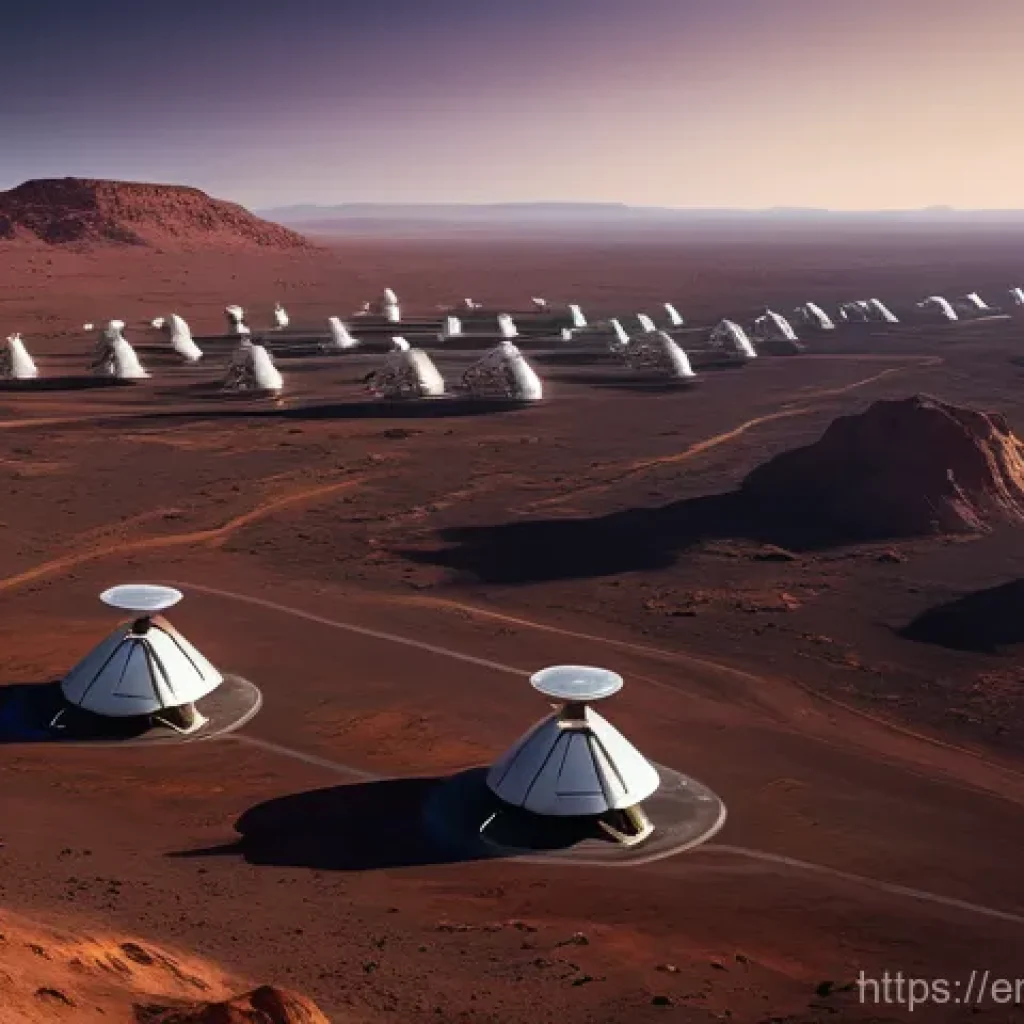
The thought of humans walking on Mars within my lifetime is something that still gives me goosebumps. But before we get to the glorious images of Martian cities, there’s a crucial, painstaking phase of preparation: the uncrewed missions.
This isn’t just about sending robotic probes to snap cool photos; it’s about laying the groundwork for human settlement. SpaceX plans to send multiple Starship cargo missions to Mars, carrying everything from critical life support systems and habitat modules to construction equipment and power generation units.
Imagine massive payloads landing autonomously, deploying robotic rovers and builders that will begin constructing the very foundations of our first off-world home.
This phase is absolutely vital for understanding the Martian environment in detail, testing technologies for resource utilization (like generating oxygen and water from local ice and atmosphere), and proving out the long-term reliability of systems in an alien, harsh environment.
It’s a slow, deliberate dance of engineering and exploration, building up the infrastructure piece by piece, ensuring that when the first human pioneers arrive, they’re stepping onto a world that has been meticulously prepared for their survival and thriving.
Life on Mars: Imagining Our Martian Future
What will life on Mars actually be like? This is a question that always sparks my imagination. It won’t be like living on Earth, that’s for sure.
We’re talking about subterranean habitats to protect against radiation, closed-loop life support systems recycling every drop of water and every breath of air, and potentially growing our own food in hydroponic farms.
I picture early Martian settlers as a mix of scientists, engineers, and adventurers, working tirelessly to make their new home sustainable, but also finding moments to gaze at Earth in the Martian night sky, a tiny blue marble so far away.
The challenges will be immense, from the psychological toll of isolation to the physical demands of a lower-gravity environment, but the rewards—the opportunity to be part of building a new civilization, to conduct groundbreaking scientific research, and to witness sunsets on a truly alien world—will be unparalleled.
It’s a vision that demands courage, ingenuity, and an unwavering belief in human potential. For me, the true magic lies not just in getting there, but in the incredible human story that will unfold once we do.
Reaching for the Moon: SpaceX’s Crucial Role in Artemis
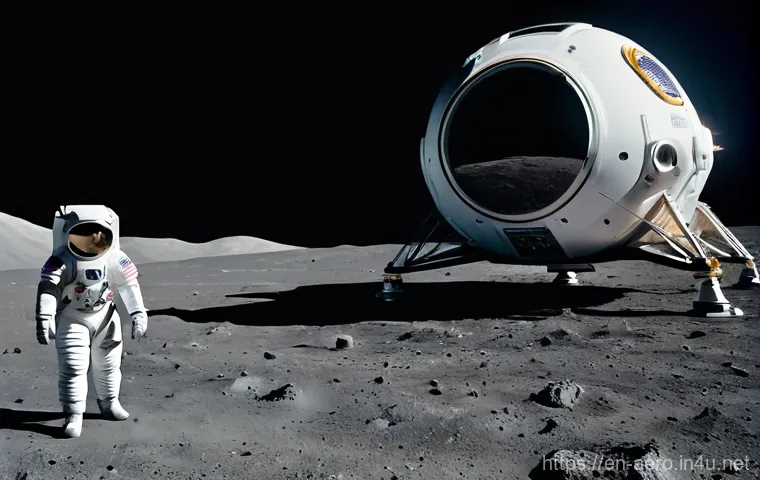
Lunar Gateway and Human Landing While Mars often grabs the headlines, let’s not forget our closest celestial neighbor, the Moon! SpaceX isn’t just focused on the Red Planet; they’re also absolutely integral to NASA’s ambitious Artemis program, which aims to return humans to the lunar surface. And I’m not talking about flags and footprints this time; we’re talking about establishing a sustainable presence. SpaceX’s Starship has been selected as the Human Landing System (HLS) for Artemis, which is a massive deal. This means astronauts will travel aboard NASA’s Orion spacecraft to the Lunar Gateway, a small space station orbiting the Moon, and then transfer to Starship for the final descent to the surface. I can just imagine the thrill of that transfer – stepping from one advanced spacecraft into another, knowing you’re about to land on a world humans haven’t touched in decades. This approach leverages Starship’s incredible capacity, allowing for longer stays and more scientific equipment on the lunar surface, truly ushering in a new era of lunar exploration and resource utilization. It’s a strategic partnership that combines the best of public and private sector innovation, pushing us back to the Moon with an eye toward staying.
From Moon to Mars: The Stepping Stone Strategy
Many see the Moon as a crucial stepping stone on our journey to Mars, and I wholeheartedly agree. The Artemis program isn’t just about lunar exploration for its own sake; it’s a vital proving ground for the technologies and operational procedures we’ll need for deeper space missions. We’ll be testing long-duration habitation, resource extraction from lunar ice (which could provide water and fuel!), and radiation shielding in a relatively close-to-Earth environment. Think of it as humanity’s training camp for interplanetary travel. What we learn on the Moon – about building sustainable outposts, managing resources in extreme environments, and ensuring astronaut health and safety – will directly inform our efforts to establish a permanent presence on Mars. The experience gained from operating Starship as a lunar lander will also provide invaluable data for its eventual Mars missions. This integrated approach, where each mission builds upon the last, is incredibly smart and systematic, and it’s why I’m so excited about the synergy between these seemingly separate endeavors. It’s all part of the grand plan to extend humanity’s reach.
Overcoming Cosmic Hurdles: The Engineering Marvels and Unforeseen Challenges
Propulsion and Reusability: The Cornerstones of Affordability
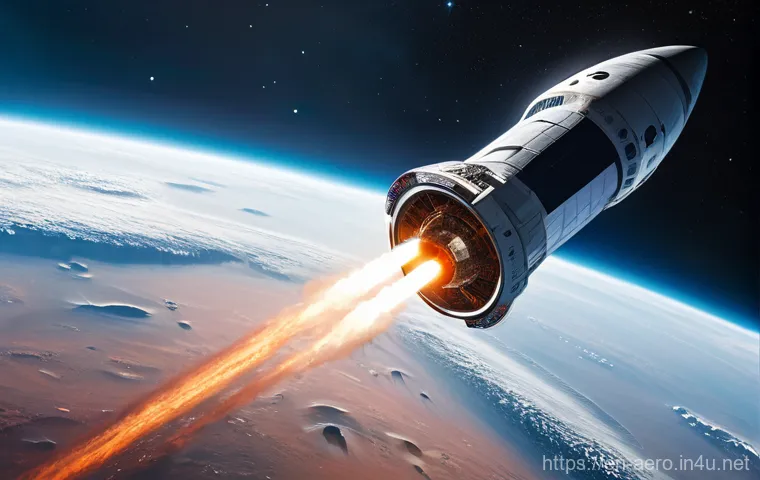
When you talk about space travel, especially to Mars, the sheer engineering challenges are enough to make your head spin. But two areas where SpaceX has truly excelled, and frankly, revolutionized the industry, are propulsion and reusability. The Raptor engine, which powers both Starship and Super Heavy, is a marvel of efficiency and thrust. It’s a full-flow staged combustion engine, which is incredibly complex, but it delivers immense power with high specific impulse. And then there’s reusability. I remember when rockets were just discarded after a single use; it was like throwing away a Boeing 747 after one flight! SpaceX, through painstaking effort and innovation, has cracked the code on making orbital-class rockets fully reusable. This isn’t just a minor improvement; it’s the fundamental shift that makes sustained, frequent, and affordable space travel possible. Without the ability to reuse these incredibly complex and expensive vehicles, the dream of a multi-planetary species would remain just that – a dream. It’s a testament to their relentless pursuit of efficiency and their willingness to challenge long-held assumptions in aerospace engineering.
Navigating Radiation, Resources, and Human Psychology
Beyond the rockets themselves, the challenges of interplanetary travel extend to the very fabric of human existence in space. Radiation, for instance, is a silent, insidious killer outside Earth’s protective magnetosphere. Developing effective shielding for spacecraft and habitats, and understanding the long-term health effects on astronauts, is paramount. Then there’s the resource question: how do you live off the land on Mars? Finding and extracting water ice, generating oxygen, and synthesizing methane for fuel are all critical technologies being developed under the banner of “In-Situ Resource Utilization” (ISRU). And let’s not forget the human element. The psychological toll of long-duration space missions, confined spaces, and extreme isolation can be immense. Building cohesive teams, providing adequate mental health support, and designing living spaces that foster well-being will be just as crucial as any engineering feat. These are not simple problems, but they are challenges that humanity is uniquely equipped to tackle with ingenuity and determination.
The Economics of the Cosmos: Unlocking New Industries and Opportunities
Space Tourism and Resource Extraction: Beyond Earth’s Limits
One aspect of this new space age that genuinely fascinates me is the economic potential. It’s not just about government budgets anymore; we’re talking about entirely new industries emerging that could revolutionize our economies. Space tourism, for example, is no longer purely science fiction. Imagine someday taking a week-long cruise around the Moon, or even a short trip into suborbital space just for the view. The wealthy will be the first, of course, but as costs come down, it could open up to more people. And then there’s resource extraction. Asteroids are packed with valuable metals, and the Moon has helium-3, a potential clean fusion fuel. While far off, the prospect of mining these resources could reshape global economies and provide abundant materials for both space-based and Earth-based industries. It’s a grand vision, yes, but I truly believe that the private sector’s involvement is the key to unlocking these incredible new economic frontiers, transforming speculative ideas into tangible businesses.
Spurring Innovation and Earth-Based Benefits
The economic benefits aren’t just limited to direct space ventures either. The “trickle-down” effect of space exploration is profound. Think about all the technologies developed for space that we now use every day on Earth: satellite communication, GPS, advanced materials, even certain medical imaging techniques. This current drive to Mars and beyond is spurring innovation at an unprecedented rate, fostering advancements in fields like artificial intelligence, robotics, advanced manufacturing, and sustainable energy systems. Companies are popping up everywhere, developing new sensors, life support systems, and propulsion technologies, all striving to be a part of this new space economy. Beyond the direct economic benefits, there’s also the intangible value of inspiration. A vibrant space program inspires young people to pursue STEM careers, fueling the next generation of innovators, engineers, and scientists. This kind of societal motivation is incredibly valuable, providing a long-term return on investment that goes far beyond any single mission’s cost.
More Than Rockets: The Cultural and Existential Impact of Space Exploration
Inspiring a New Generation of Innovators
I’ve always felt that the true power of space exploration isn’t just about the rockets themselves, but about the profound impact it has on the human spirit and our collective imagination. When I see images of Starship, or hear about the ambitious plans for Mars, it ignites a sense of wonder that few other endeavors can. And I see that same spark in younger generations. Kids today are growing up with the idea that humans could live on other planets, not as a dream, but as a real, imminent possibility. This exposure fuels curiosity, encourages critical thinking, and inspires countless individuals to pursue careers in science, technology, engineering, and mathematics. It gives them a tangible, awe-inspiring goal to work towards. This isn’t just about building a multi-planetary species; it’s about building a future generation of problem-solvers, innovators, and dreamers who are equipped to tackle the biggest challenges humanity faces, both on Earth and beyond. It’s a powerful cultural force that quietly but profoundly shapes our future.
Securing Humanity’s Long-Term Survival
Ultimately, Elon Musk’s vision, and SpaceX’s relentless pursuit of it, boils down to a fundamental existential question: what is our long-term plan as a species? For centuries, we’ve existed as a single-planet civilization, vulnerable to a myriad of cosmic and terrestrial threats. The idea of becoming a multi-planetary species isn’t about escaping Earth (though some days, after a particularly rough week, I admit the thought has its appeal!). Instead, it’s about resilience, about diversifying our existential risk. It’s about ensuring that even if something catastrophic were to happen to our beautiful blue marble, humanity, and all its accumulated knowledge and culture, would endure. This isn’t just a technological feat; it’s a profound act of foresight, a testament to our species’ capacity for long-term planning and survival. It challenges us to think beyond our immediate concerns and consider our place in the grand tapestry of the cosmos, providing a sense of purpose and a shared endeavor that truly unites us all.
| SpaceX Mission/Program | Primary Goal | Key Vehicle | Status/Timeline |
|---|---|---|---|
| Starlink | Global broadband internet access | Falcon 9 | Operational (thousands of satellites launched) |
| Commercial Crew Program (NASA) | Transporting astronauts to ISS | Crew Dragon, Falcon 9 | Operational (regular crew rotations) |
| Artemis Human Landing System (NASA) | Lunar human landing for NASA’s Artemis program | Starship (HLS Variant) | Under development (targeted for mid-2020s) |
| Mars Colonization | Establishing a sustainable human presence on Mars | Starship, Super Heavy | Under development (uncrewed missions in early 2030s, crewed later) |
| Point-to-Point Earth Transport | Rapid long-distance travel on Earth | Starship | Conceptual/Future (after Mars missions are established) |
Bringing It All Together
What a ride, right? Thinking about humanity becoming a multi-planetary species truly fills me with an almost childlike wonder, mixed with a deep appreciation for the sheer audacity of it all. It’s not just about rockets and engineering; it’s about pushing the boundaries of what we believe is possible and securing a future for generations to come. This journey with SpaceX, from the initial skepticism to the mind-blowing successes we see today, is a powerful reminder that with enough determination and innovative spirit, the universe truly is within our grasp. I feel incredibly optimistic witnessing this new era of space exploration unfold right before our eyes.
Handy Insights to Keep in Mind
As we wrap up our dive into the incredible world of SpaceX and our multi-planetary future, here are a few things I genuinely feel are worth mulling over. These aren’t just facts; they’re nuggets of information that, from my perspective, really highlight the profound shift happening in space exploration and what it means for all of us.
1. The Pace of Innovation is Unprecedented: I’ve personally been following space news for decades, and honestly, the speed at which SpaceX is iterating and achieving milestones is unlike anything we’ve seen before. They’re not just building rockets; they’re reinventing the entire aerospace industry, making concepts like full reusability a reality that dramatically slashes costs and accelerates progress. It truly feels like we’re in a new golden age.
2. Beyond the Hype: Practical Applications are Already Here: While colonizing Mars sounds like a distant dream, remember that SpaceX is already delivering tangible benefits. Think Starlink providing internet to underserved regions or their regular cargo and crew missions to the International Space Station. These aren’t just stepping stones; they’re vital services transforming lives on Earth right now, proving that the ambitious long-term goals are built on a foundation of real-world impact.
3. The Moon is More Than a Pit Stop: It’s easy to get fixated on Mars, but the Moon, especially through the Artemis program and Starship’s role as a Human Landing System, is crucial. From my experience, the lunar missions aren’t just about returning to where we’ve been; they’re about establishing a sustainable presence, testing vital technologies, and learning how to live and work in deep space. It’s our ultimate cosmic training ground before the leap to the Red Planet.
4. Economic Opportunities Are Exploding: This isn’t just government-funded science anymore. The private space sector is booming, creating entirely new industries, from advanced satellite services to potential asteroid mining and even space tourism. I genuinely believe that smart investors and entrepreneurs are already looking to these new frontiers for the next big economic wave, driven by the innovations of companies like SpaceX.
5. It’s a Testament to Human Ingenuity: When you step back and look at the sheer complexity of what SpaceX is attempting – rockets landing themselves, building a city on Mars – it’s an incredible testament to human ingenuity and perseverance. It reminds me that when we set our minds to truly ambitious goals and foster a culture of rapid iteration and learning from mistakes, there’s almost no limit to what we can achieve. It’s truly inspiring to watch it unfold.
Key Takeaways
Reflecting on everything we’ve discussed, I really want to emphasize a few core ideas that, for me, truly encapsulate the importance of this era. First, the ambition to become a multi-planetary species isn’t just a captivating vision; it’s a critical strategic imperative for humanity’s long-term survival. Relying on a single planet, no matter how beautiful or abundant, carries inherent existential risks that we, as a species, have a responsibility to mitigate. It’s a cosmic insurance policy, if you will, ensuring our legacy endures.
Second, SpaceX, under Elon Musk’s leadership, isn’t just a company; it’s a catalyst for a global paradigm shift in how we approach space. Their relentless pursuit of reusability, innovative engineering, and rapid development cycles has fundamentally altered the economics and feasibility of space travel. They’ve democratized access to orbit and beyond, inspiring a new generation of scientists, engineers, and dreamers to look up and envision a future among the stars. I’ve personally seen the shift in how people talk about space, moving from “if” to “when.”
Finally, the journey to Mars and beyond isn’t just about sending hardware into space; it’s a profoundly human endeavor. It challenges us to innovate across countless disciplines, from propulsion and life support to psychology and resource utilization. What we learn and achieve in the pursuit of interplanetary travel will undoubtedly yield untold benefits back here on Earth, from technological advancements to inspiring a renewed sense of purpose and unity. This isn’t just a story about rockets; it’s the next chapter in humanity’s grand adventure, and I, for one, am thrilled to be experiencing it alongside all of you.
Frequently Asked Questions (FAQ) 📖
Q: What’s the real motivation behind Elon Musk’s relentless push for humanity to become a multi-planetary species?
A: Honestly, having watched Elon Musk’s journey with SpaceX from the sidelines, I truly believe his core motivation boils down to one monumental idea: ensuring the long-term survival of humanity.
It’s not just about cool rockets or scientific curiosity, though those are definitely part of it. From what I’ve observed and read, he genuinely fears a single-planet existence leaves us incredibly vulnerable to existential risks – think asteroid impacts, supervolcanoes, or even unforeseen technological catastrophes here on Earth.
He often talks about humanity having a “backup drive.” For me, it’s a powerful and almost humbling thought that one person is so dedicated to securing a future for all of us, not just for the next generation, but for thousands of years to come.
It feels less like a corporate goal and more like a profound mission to safeguard our species.
Q: When can we actually expect to see humans on Mars, according to SpaceX’s ambitious plans?
A: This is the question I get asked most often, and it’s definitely the most exciting! While predicting exact dates in space exploration is notoriously tricky (there are always unforeseen challenges, as I’ve learned from watching countless launches), SpaceX has been incredibly clear about their aggressive timelines.
Elon Musk himself has expressed a desire for uncrewed Starship missions to Mars within the next few years – we’re talking before 2030, possibly even sooner.
And from there, it’s a remarkably quick leap to crewed missions. He’s often spoken about having humans on the Red Planet potentially within the 2030s.
It sounds incredibly fast, right? But seeing their progress with Starship’s development, I wouldn’t bet against them. It’s a vision that truly makes the hair on my arms stand up, imagining that first boot print.
Q: How crucial is Starship to making these ambitious dreams of Mars colonization a reality, and what makes it so special?
A: Oh, Starship isn’t just crucial; it’s the absolute game-changer, the lynchpin of this entire multi-planetary vision! I mean, when I first heard about its capabilities, it truly blew my mind.
What makes it so incredibly special, from my perspective, is its fully reusable design. Think about it: traditional rockets are mostly disposable, which is incredibly expensive and inefficient.
Starship, on the other hand, is designed to launch, land, and be ready to fly again, much like an airplane. This dramatically slashes the cost of sending mass to space – and by “mass,” I mean everything from supplies and equipment to hundreds of people.
Plus, it’s gargantuan! It’s designed to carry over 100 metric tons or up to 100 people per flight. To truly build a sustainable colony on Mars, you need to send a lot of stuff and a lot of people reliably and affordably.
Starship is literally the vehicle that could make a Martian city possible, and watching its test flights, you can really feel the weight of that potential.