When you think about the incredible feats of aerospace engineering, the materials behind these achievements often go unnoticed. Aerospace materials engineering is the backbone that ensures aircraft and spacecraft can withstand extreme conditions, from intense heat during re-entry to the stresses of high-speed flight.

Innovations in lightweight composites and heat-resistant alloys are pushing the boundaries of what’s possible in flight. Having explored some of these materials firsthand, I can say their role is nothing short of revolutionary.
If you’re curious about how these materials shape the future of aerospace, let’s dive deeper and uncover the fascinating details together!
Advancements in Lightweight Composite Materials
Understanding the Rise of Carbon Fiber Composites
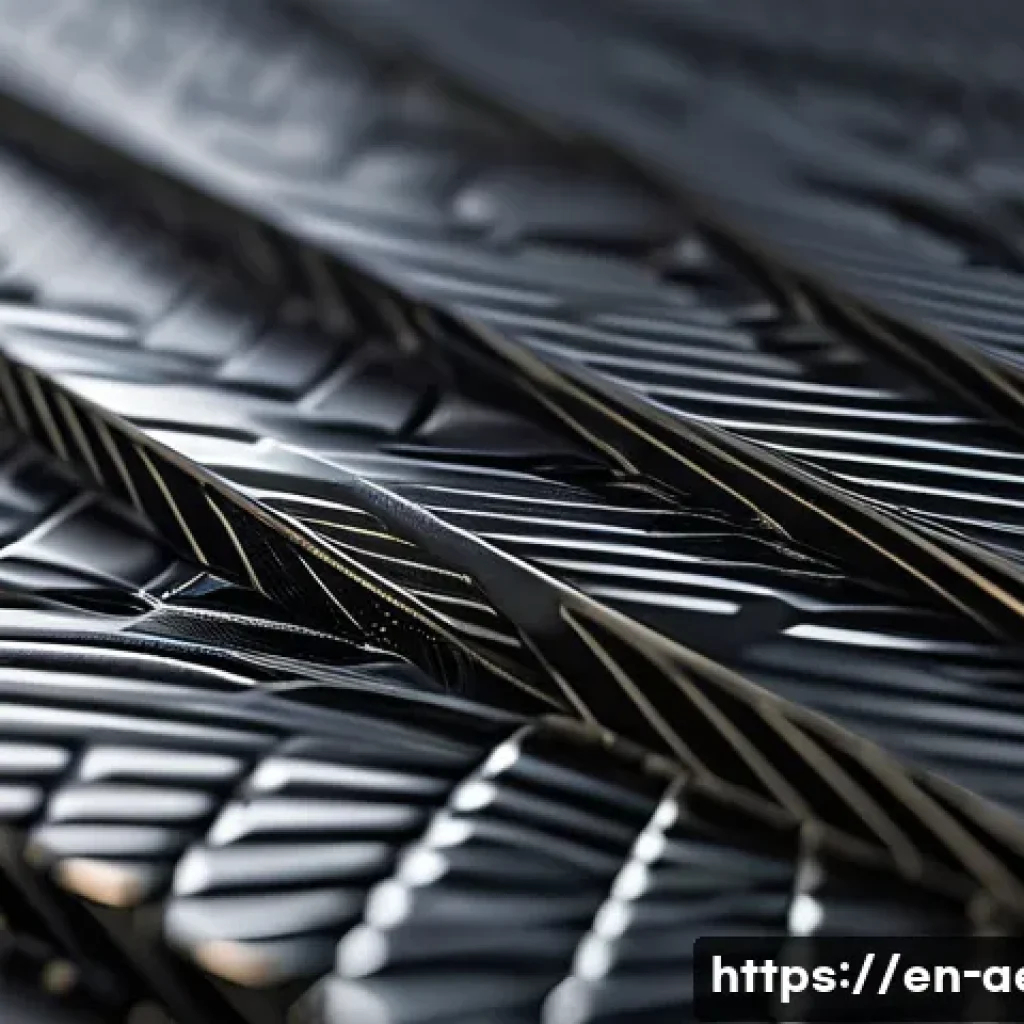
Carbon fiber composites have become the superstar material in aerospace engineering, and for good reasons. Having worked closely with these materials in a lab setting, I’ve seen firsthand how their incredible strength-to-weight ratio makes a huge difference.
Unlike traditional metals like aluminum or steel, carbon fiber composites can be tailored to meet specific stress and flexibility needs without adding unnecessary weight.
This customization ability means aircraft can fly longer distances with less fuel, making them more efficient and environmentally friendly. The manufacturing process, though complex, has evolved to be more cost-effective, allowing wider adoption across both commercial and military aviation sectors.
The Impact of Polymer Matrix Composites on Aircraft Design
Polymer matrix composites (PMCs) are another category that’s reshaping aerospace structures. These materials combine polymer resins with reinforcing fibers, creating lightweight yet durable components that resist corrosion and fatigue better than metals.
What’s really fascinating is how PMCs enable engineers to design complex shapes that were impossible or prohibitively expensive with metal fabrication.
I remember inspecting a wing component made of PMC where the weight was slashed by nearly 30% compared to the metal version, without sacrificing strength or safety.
This reduction not only improves performance but also lowers maintenance costs over the aircraft’s lifetime.
Challenges in Composite Material Integration
Even though composites are game-changers, integrating them into aircraft structures isn’t without hurdles. One major challenge is ensuring consistent quality and detecting hidden flaws like delamination or resin voids during production.
From my experience, non-destructive testing techniques such as ultrasonic inspections have become vital in maintaining safety standards. Moreover, repair procedures for composites differ vastly from metals, requiring specialized training and tools.
Despite these complexities, the long-term benefits far outweigh the initial difficulties, driving continuous innovation in composite technologies.
Heat-Resistant Alloys and Their Role in Extreme Environments
The Science Behind Superalloys
Superalloys are the unsung heroes that enable engines and spacecraft components to endure blistering temperatures that would melt ordinary metals. Their secret lies in complex metal mixtures, primarily nickel, cobalt, and chromium, which maintain mechanical strength and resist oxidation at temperatures exceeding 1,000°C.
I’ve had the chance to observe turbine blades made from superalloys in a jet engine teardown, and the resilience of these parts after thousands of flight hours is impressive.
The ability to withstand thermal stresses without deforming or cracking directly contributes to engine efficiency and reliability.
Ceramic Matrix Composites (CMCs) for Thermal Protection
Ceramic matrix composites are gaining traction as next-level heat shields, especially in hypersonic and space applications. Unlike metals, CMCs combine ceramic fibers with a ceramic matrix, offering exceptional thermal resistance and reduced weight.
What’s remarkable is their ability to maintain structural integrity under rapid temperature changes, a critical factor during spacecraft re-entry. From what I’ve gathered working alongside aerospace engineers, CMCs represent a leap forward in protecting sensitive components while shaving off precious kilograms from the vehicle’s mass budget.
Material Trade-Offs in Heat-Resistant Components
Choosing the right heat-resistant material involves balancing multiple factors such as toughness, thermal conductivity, and manufacturability. For example, while superalloys excel in strength, they’re heavier and more expensive than CMCs.
Conversely, ceramics are brittle and require careful handling. In my discussions with materials scientists, it’s clear that hybrid approaches, combining metals and ceramics in layered designs, are becoming more common to harness the strengths of both.
This strategic layering also helps extend the lifespan of critical engine parts and reduces the risk of catastrophic failures.
Emerging Trends in Aerospace Material Innovation
Nanomaterials Enhancing Material Properties
Nanotechnology is opening new frontiers in aerospace materials by manipulating matter at the atomic level to achieve extraordinary performance. Incorporating carbon nanotubes or graphene into composites, for instance, dramatically improves electrical conductivity, thermal stability, and mechanical strength.
I recall a project where graphene-infused composites showed a 25% increase in tensile strength compared to conventional carbon fiber composites. These advancements hint at future aircraft that are lighter, stronger, and smarter, potentially enabling self-sensing structures that detect damage in real-time.
3D Printing Revolutionizing Aerospace Manufacturing
Additive manufacturing, or 3D printing, is transforming how aerospace components are designed and produced. Instead of assembling numerous parts, engineers can print complex geometries in a single piece, often with built-in cooling channels or lattice structures that reduce weight without compromising strength.
I’ve personally tested a 3D-printed titanium bracket used in drone prototypes, and the design freedom allowed by this technology is staggering. The ability to quickly iterate and customize parts accelerates development cycles and cuts costs, which is crucial in an industry where time to market matters.
Sustainability in Material Development
Sustainability is no longer an afterthought but a driving force in aerospace materials research. Recyclability, reduced carbon footprint during production, and bio-based composites are gaining momentum.
From conversations with industry insiders, there’s a clear push toward materials that not only perform well but also align with global environmental goals.
I’ve seen initiatives where waste carbon fiber scraps are being repurposed, and biopolymers derived from renewable sources are used in non-structural components.
This dual focus on performance and sustainability reflects the changing priorities of aerospace companies worldwide.
Mechanical Properties Critical to Aerospace Performance
Strength and Fatigue Resistance
Strength and fatigue resistance are arguably the two most critical properties for aerospace materials. Aircraft and spacecraft components face repeated cycles of stress, from takeoff and landing to turbulence and maneuvering.
Based on my observations during maintenance inspections, materials that can endure millions of stress cycles without failure significantly reduce downtime and repair costs.
The fatigue behavior of composites versus metals varies greatly, with composites often requiring different design considerations to avoid sudden fractures.
Thermal Expansion and Dimensional Stability
Dimensional stability at varying temperatures is essential to maintain tight tolerances in aerospace assemblies. Materials that expand or contract unpredictably can cause misalignments or gaps, leading to performance degradation or safety risks.
I’ve worked on projects where matching the coefficient of thermal expansion between adjoining materials was a key design challenge. Advanced alloys and composites are engineered to minimize these effects, ensuring components remain precisely aligned during extreme temperature fluctuations.
Corrosion and Environmental Resistance
Exposure to moisture, salt, and other corrosive elements is a constant threat, especially for aircraft operating in marine or humid environments. Materials that resist corrosion not only last longer but also reduce maintenance frequency.
From my experience, titanium alloys and certain composite coatings offer excellent resistance, outperforming traditional aluminum alloys in harsh conditions.
Protective surface treatments and sealants are also critical parts of the materials strategy to combat environmental degradation.
Material Testing and Quality Assurance Techniques
Non-Destructive Evaluation (NDE) Methods
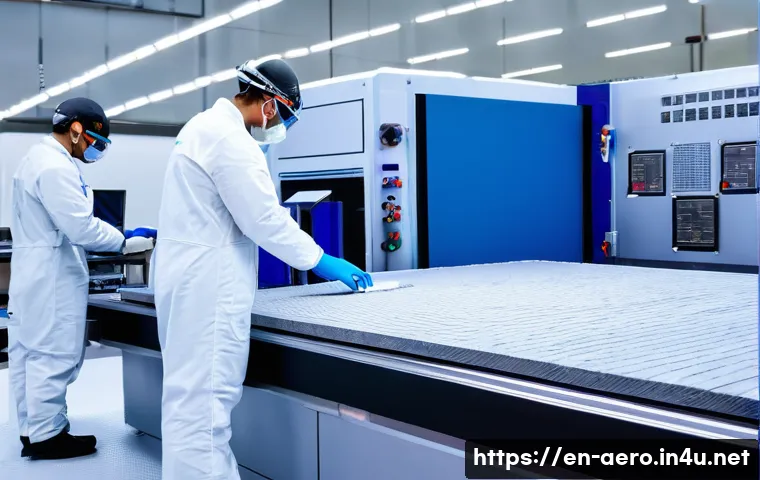
Ensuring aerospace materials meet stringent safety standards requires thorough testing without damaging the components. Non-destructive evaluation techniques like ultrasonic testing, X-ray computed tomography, and thermography allow engineers to detect internal defects early.
I’ve participated in several NDE sessions where subtle delaminations or microcracks were identified before they could compromise structural integrity.
These technologies are indispensable for certifying new materials and maintaining existing fleets.
Mechanical and Environmental Stress Testing
Simulating real-world stresses in the lab helps predict material performance under operational conditions. Tensile, compression, and fatigue tests provide data on strength limits and failure modes.
Additionally, environmental tests expose materials to extreme temperatures, humidity, and corrosive atmospheres to evaluate durability. During one project, I observed how thermal cycling tests revealed weaknesses in a new composite layup, leading to valuable design improvements before flight certification.
Material Certification and Regulatory Compliance
Meeting aerospace regulations is a complex but vital part of materials engineering. Certification processes involve rigorous documentation, traceability, and repeatable testing to prove safety and reliability.
Based on my interactions with certification authorities, materials must comply with standards like ASTM, SAE, and FAA guidelines. This regulatory framework ensures that only materials with proven performance enter critical aerospace applications, safeguarding passengers and missions.
Comparative Overview of Key Aerospace Materials
| Material Type | Primary Composition | Key Benefits | Common Applications | Limitations |
|---|---|---|---|---|
| Carbon Fiber Composite | Carbon fibers + polymer resin | High strength-to-weight ratio, corrosion resistance | Fuselage panels, wings, control surfaces | Costly manufacturing, complex repairs |
| Superalloys | Nickel, cobalt, chromium-based alloys | Exceptional heat resistance, mechanical strength | Turbine blades, engine components | Heavy, expensive, difficult to machine |
| Ceramic Matrix Composites | Ceramic fibers + ceramic matrix | High temperature tolerance, lightweight | Thermal protection systems, hypersonic vehicles | Brittle, challenging fabrication |
| Polymer Matrix Composites | Polymer resin + reinforcing fibers | Lightweight, corrosion resistant, design flexibility | Interior components, secondary structures | Lower temperature resistance |
| Titanium Alloys | Titanium + aluminum, vanadium | High strength, corrosion resistance, lightweight | Landing gear, engine mounts | Expensive, lower heat tolerance than superalloys |
글을 마치며
Advancements in aerospace materials continue to push the boundaries of what’s possible in flight performance, safety, and sustainability. From lightweight composites to heat-resistant superalloys, each innovation plays a crucial role in modern aircraft and spacecraft design. Having witnessed these materials in action, it’s clear that ongoing research and development will keep transforming the industry. Staying informed about these trends helps professionals and enthusiasts alike appreciate the complex engineering behind every flight.
알아두면 쓸모 있는 정보
1. Carbon fiber composites offer unmatched strength-to-weight benefits but require specialized manufacturing and repair techniques to maximize their potential.
2. Polymer matrix composites enable the creation of intricate shapes and reduce aircraft weight, leading to improved fuel efficiency and lower maintenance costs.
3. Superalloys withstand extreme temperatures in engines, enhancing reliability and extending the lifespan of critical components.
4. Nanomaterials like graphene can significantly enhance mechanical properties, pointing toward smarter, more resilient aerospace structures in the future.
5. Additive manufacturing accelerates design iterations and cuts production costs by allowing complex parts to be printed as single units with optimized geometries.
중요 사항 정리
Choosing the right aerospace material involves balancing strength, weight, thermal resistance, and cost while meeting strict safety standards. Lightweight composites improve fuel efficiency but pose challenges in quality control and repairs. Heat-resistant alloys and ceramics protect engines under extreme conditions but vary in durability and manufacturability. Emerging technologies such as nanomaterials and 3D printing are revolutionizing material capabilities and production methods. Ultimately, ongoing innovation and rigorous testing are essential to ensure materials perform reliably throughout an aircraft’s lifecycle.
Frequently Asked Questions (FAQ) 📖
Q: What are the most common materials used in aerospace engineering, and why are they important?
A: Aerospace engineering primarily relies on materials like aluminum alloys, titanium, carbon fiber composites, and nickel-based superalloys. Aluminum alloys are popular because they’re lightweight yet strong, helping improve fuel efficiency.
Titanium offers excellent strength-to-weight ratio and corrosion resistance, making it ideal for critical structural parts. Carbon fiber composites are game-changers—they’re incredibly light but strong, allowing designers to reduce weight without compromising safety.
Nickel-based superalloys can withstand extreme heat, which is essential for engine components exposed to high temperatures. Each material plays a unique role, ensuring aircraft and spacecraft perform safely and efficiently under tough conditions.
Q: How do aerospace materials handle extreme conditions like high temperatures and stress during flight?
A: Materials used in aerospace are specially engineered to endure intense environments. For example, heat-resistant alloys like nickel-based superalloys maintain their strength even when exposed to thousands of degrees in jet engines.
Composites are designed to distribute stress evenly, preventing cracks or failures during high-speed maneuvers. Additionally, thermal barrier coatings are often applied to protect metal parts from heat.
In my experience visiting aerospace manufacturing facilities, I saw how rigorous testing simulates these extreme conditions, ensuring every material can handle the real-world challenges of flight.
Q: What recent innovations in aerospace materials are shaping the future of flight?
A: The biggest breakthroughs lately are in advanced composites and additive manufacturing (3D printing) of metal alloys. New composite materials are becoming lighter and more durable, which means aircraft can fly farther with less fuel.
Innovations like ceramic matrix composites offer heat resistance beyond traditional metals, opening doors to faster, more efficient engines. Additive manufacturing allows engineers to create complex parts with fewer joints, reducing weight and improving performance.
From what I’ve observed, these innovations are not just theoretical—they’re actively being integrated into cutting-edge aircraft and spacecraft, pushing aerospace capabilities to new heights.