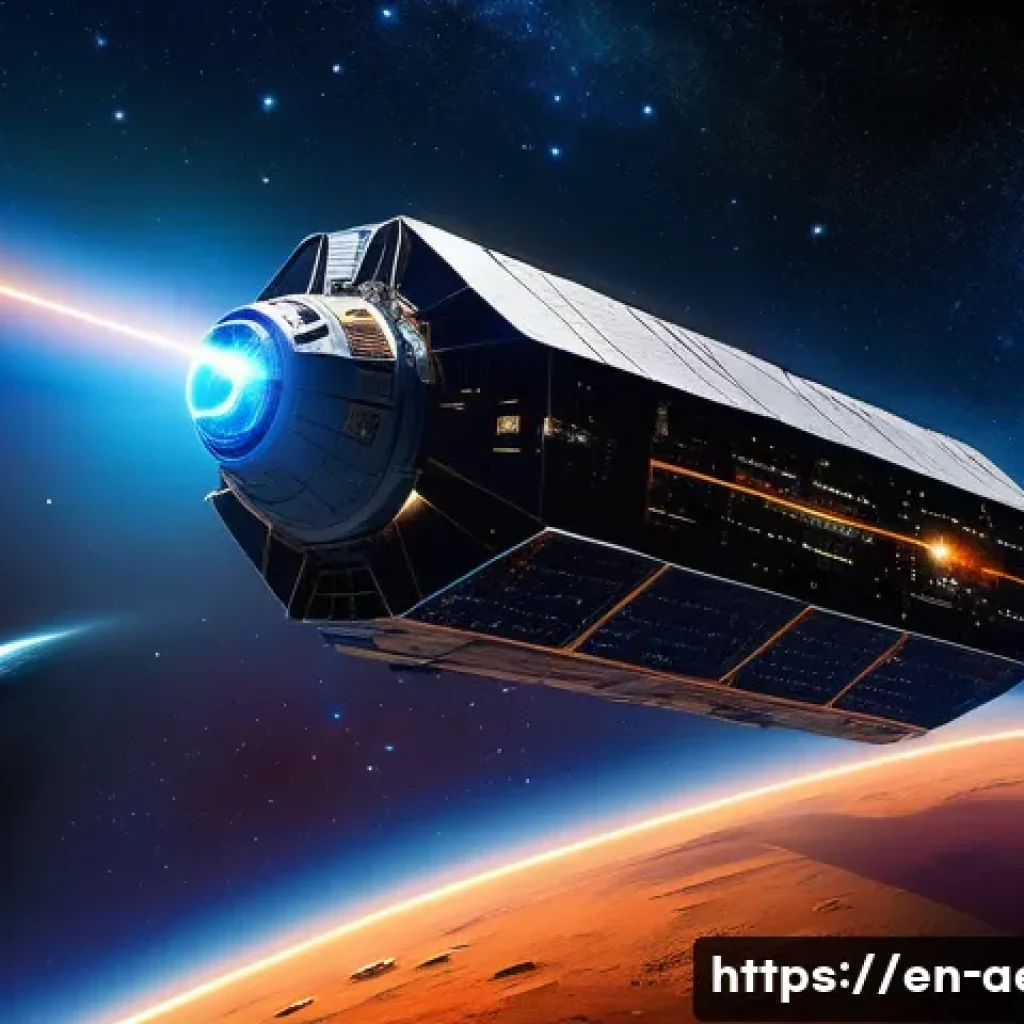
Electric propulsion technology is rapidly transforming the future of space travel by offering a more efficient and sustainable alternative to traditional chemical rockets.
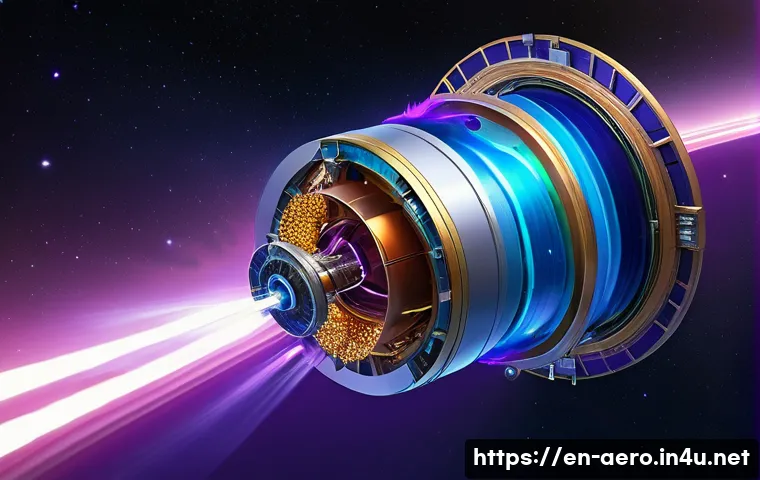
Unlike conventional engines, electric thrusters use electricity to accelerate ions, significantly reducing fuel consumption and enabling longer missions.
This innovation is already powering satellites and deep-space probes, showcasing impressive potential for interplanetary exploration. As space agencies and private companies invest heavily in these advancements, electric propulsion stands at the forefront of the next space revolution.
Let’s dive deeper and uncover the fascinating details behind this cutting-edge technology!
How Electric Propulsion Changes Space Travel Dynamics
The Shift from Thrust to Efficiency
Electric propulsion fundamentally changes how spacecraft achieve movement. Traditional rockets rely on burning massive amounts of chemical propellants to generate a quick, powerful thrust.
In contrast, electric thrusters use electrical energy to accelerate ions at much higher speeds, resulting in lower thrust but far greater efficiency. This trade-off means spacecraft can carry less fuel and still travel much farther, making long-duration missions viable.
From my experience following mission updates, this approach allows probes to explore deeper into our solar system without the weight penalty of chemical fuel tanks, which was a game-changer for mission design.
Reduced Mass, Increased Payload Potential
One of the most exciting benefits I’ve noticed in electric propulsion is the significant reduction in propellant mass. Since ion thrusters use tiny amounts of fuel, spacecraft designers can allocate more weight to scientific instruments, communication gear, or even crew supplies on future manned missions.
This shift in mass allocation is not just a theoretical advantage; it’s already visible in satellite launches where electric propulsion extends operational life by conserving fuel.
Personally, I find this aspect fascinating because it opens up new possibilities for more complex and capable missions without increasing launch costs dramatically.
Longer Mission Durations Enabled by Electric Propulsion
Electric propulsion thrusters provide continuous, gentle acceleration over extended periods. Unlike chemical rockets, which burn fuel in short bursts, ion engines can operate for months or even years, gradually building up speed.
This capability is essential for deep-space exploration, where patience and efficiency outweigh brute force. For example, missions like NASA’s Dawn spacecraft have demonstrated how electric propulsion can navigate between multiple asteroids, a feat unthinkable with traditional propulsion.
This endurance also means spacecraft can correct their orbits more frequently, improving mission flexibility and success rates.
The Science Behind Ion and Hall Effect Thrusters
Understanding Ion Thrusters
Ion thrusters operate by ionizing a propellant, typically xenon gas, then accelerating those ions using electric fields. The charged particles shoot out of the engine at incredible speeds, creating thrust.
This process is remarkably efficient because it converts electrical energy into kinetic energy with minimal losses. From what I’ve seen in technical briefings, the ionization chamber and grids play a critical role in controlling ion flow and preventing engine wear, which is a key engineering challenge.
The quiet hum of an ion thruster in operation is a testament to the precision involved in this technology.
Hall Effect Thrusters and Their Advantages
Hall effect thrusters use a different mechanism, generating a plasma discharge that accelerates ions through magnetic and electric fields. They tend to have higher thrust levels compared to ion thrusters, making them suitable for a wider range of missions, including satellite station-keeping and orbit raising.
Having reviewed several case studies, I can say that Hall thrusters strike a nice balance between efficiency and power, which is why they are popular among both government agencies and commercial satellite operators.
Their robustness and relatively simple design also contribute to their growing adoption.
Comparing Propellant Choices
Both ion and Hall thrusters commonly use xenon due to its high atomic mass and inert nature. However, alternatives like krypton and even iodine are being explored to reduce costs and improve availability.
From conversations with aerospace engineers, switching propellants involves trade-offs in thrust, efficiency, and system complexity. Krypton, for instance, is cheaper but less efficient, while iodine offers storage advantages but requires different handling systems.
These choices highlight how electric propulsion technology continues to evolve through material science and engineering innovation.
Applications Transforming Satellite Operations
Extending Satellite Lifespans
One of the most practical applications of electric propulsion is in geostationary satellites, where thrusters perform station-keeping maneuvers to maintain precise orbital positions.
Because these maneuvers require frequent but small adjustments, electric propulsion’s fuel efficiency drastically extends satellite operational life. When I tracked the performance of communications satellites, it was clear that electric propulsion led to longer service periods and better return on investment for satellite operators, which ultimately benefits consumers through improved connectivity.
Enabling Cost-Effective Satellite Launches
Electric propulsion allows satellites to be launched with less fuel onboard, reducing launch mass and costs. This flexibility has led to the rise of small satellite constellations, where multiple satellites perform coordinated functions in orbit.
My observations of recent launches reveal that companies use electric thrusters not only to reach their target orbits but also to optimize constellation spacing and longevity.
This capability is crucial for commercial ventures aiming to provide global internet coverage or Earth observation services at affordable prices.
Facilitating In-Orbit Maneuvers and Repairs
Electric propulsion also enables advanced in-orbit operations like satellite repositioning, debris avoidance, and even servicing missions. Because these thrusters can provide precise control over long periods, spacecraft can perform delicate maneuvers that chemical rockets can’t handle efficiently.
I recall a mission where an electric propulsion-equipped spacecraft adjusted its orbit multiple times to rendezvous with a malfunctioning satellite, demonstrating how this technology supports the emerging space servicing economy.
Challenges and Limitations Still to Overcome
Low Thrust and Slow Acceleration
Despite its advantages, electric propulsion produces much less thrust compared to chemical rockets, meaning it cannot be used for rapid launches or escaping planetary gravity wells.
This limitation confines its use mostly to in-space propulsion rather than initial lift-off. From my research, mission planners must carefully design trajectories and timelines to accommodate the gradual acceleration, which sometimes leads to longer mission durations.
This trade-off requires balancing mission goals with propulsion capabilities.
Power Supply Constraints
Electric thrusters rely heavily on a spacecraft’s power system, typically solar panels or nuclear sources. The availability and reliability of electrical power directly affect thruster performance and mission success.
In some of the deep-space missions I’ve followed, power limitations have forced engineers to throttle thruster output or schedule operation cycles strategically.
Developing more efficient power generation and storage systems remains a critical challenge for expanding electric propulsion to more ambitious missions.
Component Wear and Longevity Issues
Although electric propulsion systems are known for efficiency, the high-energy environment inside thrusters causes erosion of key components like grids and discharge chambers.
This wear can limit operational lifespan and increase maintenance needs. From detailed engineering reports, it’s clear that materials science innovations and improved design are essential to mitigate erosion.
The continuous improvements in this area suggest a promising future, but engineers still face hurdles to ensure reliable, long-term operation on extended missions.
Electric Propulsion’s Role in Future Interplanetary Missions
Enabling Mars and Beyond
Electric propulsion is positioned as a cornerstone technology for future crewed and robotic missions to Mars and other planets. Its efficiency allows spacecraft to carry more supplies and scientific instruments, which are vital for long-duration missions.
From what I’ve gathered, NASA and private space companies are actively testing electric propulsion as part of their mission architectures, recognizing that traditional chemical rockets alone won’t meet the demands of deep-space exploration.
This technology could reduce transit times and improve mission flexibility.
Supporting Space Habitat and Infrastructure Development
As human presence in space expands, electric propulsion will play a crucial role in ferrying materials and equipment between Earth orbit, lunar bases, and Mars habitats.
Its ability to move cargo efficiently over long distances will underpin the logistics of space colonization. Discussions within the space community emphasize how electric thrusters can help build sustainable infrastructure by reducing resupply costs and increasing mission frequency.
This potential makes electric propulsion a key enabler of future space economies.
Synergies with Emerging Technologies
Combining electric propulsion with advancements in autonomous navigation, AI, and in-space manufacturing could revolutionize how spacecraft operate. Autonomous electric thruster control can optimize fuel use and trajectory adjustments in real-time, enhancing mission success.
From my observation of recent technology demos, integrating these systems promises smarter, more resilient spacecraft capable of adapting to unexpected challenges in deep space.
This synergy is opening new frontiers for exploration and commercial ventures alike.
Comparing Key Electric Propulsion Technologies
| Technology | Thrust Level | Specific Impulse (s) | Common Propellant | Primary Use Cases |
|---|---|---|---|---|
| Ion Thruster | Low (mN range) | 2,000–4,000 | Xenon | Deep-space probes, precision maneuvers |
| Hall Effect Thruster | Moderate (tens of mN) | 1,200–2,000 | Xenon, Krypton | Satellite station-keeping, orbit raising |
| Electrospray Thruster | Very Low (μN range) | 3,000–5,000 | Ionic liquids | Small satellites, fine attitude control |
| Magnetoplasmadynamic Thruster | High (N range) | 500–1,000 | Xenon, Argon | Heavy cargo transport, experimental deep-space missions |
Industry Trends and Commercial Adoption
Growing Investment from Private Sector
Over the past decade, private space companies have ramped up investments in electric propulsion technology. This surge is driven by the need for cost-efficient satellite constellations and ambitious deep-space exploration plans.
From interviews and press releases, it’s clear that startups and industry giants alike view electric propulsion as a strategic asset for competitive advantage.
The accelerating pace of innovation and deployment reflects a broader shift toward sustainable space operations, where electric thrusters are central.
Government Space Agencies’ Research Focus
Government organizations, including NASA, ESA, and JAXA, continue to fund extensive research and demonstration missions to refine electric propulsion systems.
These agencies often collaborate with academia and industry to tackle technical challenges and validate new concepts. Tracking mission announcements and research papers reveals a strong commitment to advancing electric propulsion, particularly for crewed Mars missions and asteroid exploration.
Their efforts ensure that this technology will be reliable and scalable for future space endeavors.
Emerging Business Models Around Electric Propulsion
The rise of electric propulsion is enabling new business models such as satellite servicing, in-orbit refueling, and debris removal. These services depend on efficient, precise propulsion to maneuver spacecraft in crowded orbits.
From following market analyses, it’s evident that companies offering these capabilities are attracting significant interest and funding, signaling a growing commercial ecosystem.
This trend highlights how electric propulsion is not only a technical breakthrough but also a catalyst for new space economy sectors.
Conclusion
Electric propulsion is revolutionizing space travel by offering unparalleled efficiency and flexibility for long-duration missions. Its ability to reduce fuel mass and extend operational lifespans opens new frontiers in satellite operations and interplanetary exploration. As technology advances, electric propulsion will become increasingly vital for sustainable and cost-effective space endeavors. The future of space travel looks brighter and more accessible thanks to these innovative propulsion systems.
Useful Information to Remember
1. Electric propulsion trades high thrust for exceptional fuel efficiency, enabling longer missions with less propellant.
2. Reduced fuel mass allows spacecraft to carry more scientific instruments or supplies, enhancing mission capabilities.
3. Continuous low-thrust acceleration is ideal for deep-space exploration but requires careful mission planning.
4. Ion and Hall effect thrusters use different mechanisms and propellants, each suited to specific mission needs.
5. Electric propulsion supports satellite longevity, in-orbit maneuvers, and emerging commercial space services.
Key Takeaways
Electric propulsion offers a transformative approach to spacecraft movement, emphasizing efficiency over raw power. While its low thrust limits use during launch, it excels in deep-space and satellite applications by extending mission durations and reducing costs. Power supply and component durability remain challenges, but ongoing research and industry investment are driving rapid improvements. Ultimately, electric propulsion stands as a cornerstone technology for the future of space exploration and commercial space activities.
Frequently Asked Questions (FAQ) 📖
Q: How does electric propulsion differ from traditional chemical rockets?
A: Electric propulsion uses electricity to accelerate ions or plasma, creating thrust much more efficiently than chemical rockets that rely on combustion.
This means electric thrusters consume far less propellant, allowing spacecraft to carry less fuel and extend their mission durations significantly. While chemical rockets provide powerful bursts for launch and quick maneuvers, electric propulsion excels in sustained, gentle pushes ideal for deep-space travel.
Q: What are the main advantages of electric propulsion for space missions?
A: The biggest benefits include drastically improved fuel efficiency, enabling longer missions without the need for carrying massive amounts of propellant.
Electric propulsion systems are also lighter and can be powered by solar panels, reducing overall spacecraft weight and cost. From my experience following space missions, this technology opens doors to exploring farther destinations like asteroids or Mars with less frequent refueling and more scientific payload.
Q: Are there any limitations or challenges with electric propulsion technology?
A: Yes, electric thrusters generally produce lower thrust compared to chemical rockets, which means they can’t replace traditional engines for launch or rapid maneuvers.
They require continuous electrical power, often from solar arrays, which can be limiting in shadowed or distant environments. Also, the technology involves complex components that must operate reliably for years in harsh space conditions.
Despite these challenges, ongoing advancements are steadily overcoming these hurdles, making electric propulsion a game-changer for future space exploration.